 English
 Español
+86-13777012108
(WhatsApp/WeChat)
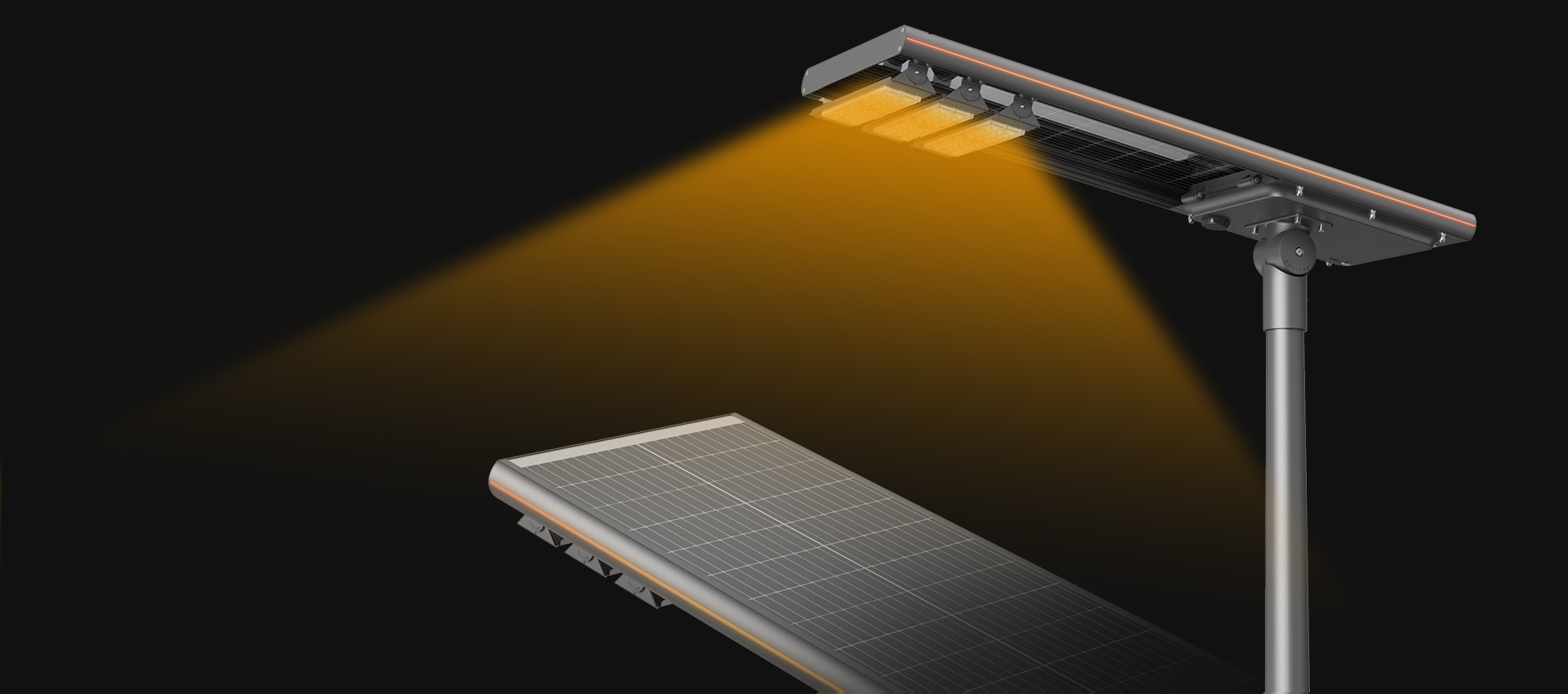 Iluminación LED
Soluciones
Ver más >>PODA es un fabricante que respalda una variedad de necesidades de iluminación de una manera eficiente, efectiva y respetuosa con el medio ambiente.
Rollo hacia abajo
Ninghai Poda Electrical Appliance Co., Ltd.

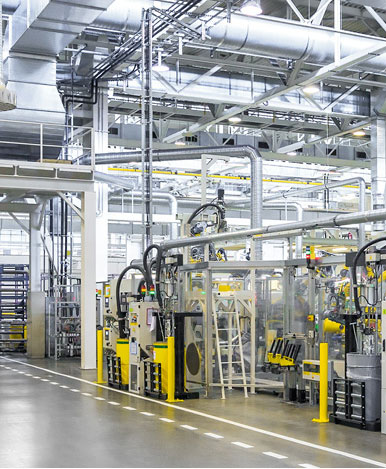
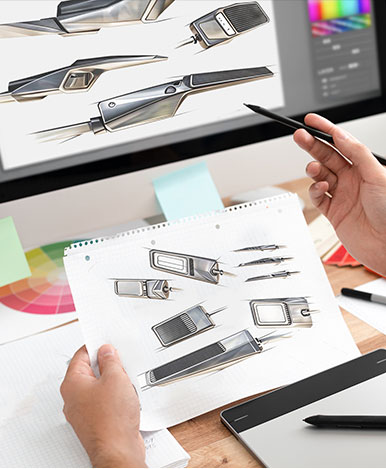
Ninghai Poda Electrical Appliance Co., Ltd. se especializa en I+D, fabricación y desarrollo de iluminación LED, y Sales, y que se encuentra en Ninghai, provincia de Ningbo Zhejiang. Los principales productos son farolas LED, luces altas LED, Proyectores LED, campos de iluminación solar/LED, etc.
Centro de noticias
-
How Much Are Stadium Lights? Real Project Costs, Wattage and Buying Guide
10 02, 2026
Ver Más >>Two contractors quoted the same eight pole high school football field last season. One came in at $118,000. The other came in at $241,000. The fixtures were close in wattage. The gap sat in pole foundations, a service upgrade, and a lighting control package that nobody had asked about in the first meeting.
So here is the short answer first. In most markets, a single LED stadium light fixture costs roughly $250 to $1,500 depending on wattage, beam control, and housing quality. A complete high school football or soccer field project usually lands between $100,000 and $300,000. Small community and practice fields can be lit for $20,000 to $70,000. College and professional venues with broadcast requirements often start near $250,000 and can pass $800,000 once poles, electrical service, and engineering are included.
Everything below explains where those numbers come from, which parts of the budget you can actually control, and how to read two quotes that look nothing alike.
Typical Stadium Lighting Cost by Venue Type
Venue size is the strongest single predictor of price. A practice field needs enough light for players and coaches to see the ball. A televised stadium needs vertical illuminance, color consistency, and glare control that meet broadcast standards. Those two jobs use different fixtures, different quantities, and different control systems.
Typical LED stadium lighting ranges by venue type. Real projects vary with pole condition, local labor rates, and control requirements. Venue type Typical fixture count Fixture budget Full installed project Practice or small community field 4 to 8 $2,000 to $8,000 $20,000 to $70,000 High school football or soccer field 12 to 24 $6,000 to $30,000 $100,000 to $300,000 College or semi professional stadium 24 to 48 $20,000 to $70,000 $250,000 to $700,000 Professional or broadcast venue 40 to 80 plus $60,000 and above $800,000 and above Read the table as a starting point, not a quote. Two high school fields of identical size can sit at opposite ends of the range because one still has sound poles from 2005 while the other needs four new poles, new concrete, and a transformer upgrade.
What the Project Budget Actually Contains
Buyers often assume the fixture price is the project price. It is usually 20 to 35 percent of the total. The rest is infrastructure, labor, and compliance.
- Fixtures, brackets, and aiming hardware
- Poles and crossarms, including new foundations or reinforcement of existing poles
- Trenching, conduit, wiring, and panel or transformer upgrades
- Controls, dimming, and remote monitoring
- Installation labor, cranes, and bucket truck time
- Engineering, permits, and commissioning measurements
If a quote arrives far below the others, check these six lines first. Missing pole reinforcement and missing photometric commissioning are the two most common omissions.
What Drives the Price of One Stadium Light
A stadium light is priced by how much light it produces, how well it controls that light, and how long it survives outdoors.
Wattage and light output
Fixtures in the 200W to 400W class suit smaller fields and corner coverage. Main field lighting usually runs 600W to 1,200W per fixture. Higher wattage means a larger heat sink, a stronger driver, and a heavier housing, so price climbs faster than the wattage number suggests.
Optics and beam control
A tight beam that throws 60 meters without spilling light into neighboring homes costs more than a wide flood pattern. Asymmetric optics designed for pole mounting reduce the fixture count needed to hit a target illuminance, which can lower the whole project cost even when the unit price is higher.
Housing, driver, and protection rating
Die cast aluminum bodies with corrosion resistant coatings, IP66 sealing, and 10kV surge protection are the baseline for a field that stays outdoors for fifteen years. Powder coated steel housings are cheaper and show it after a few winters.
Certification and warranty
CE, TUV, and RoHS documentation matter for imported projects. A five year warranty covering driver and LEDs shifts risk back to the manufacturer, and it is worth paying for.
Manufacturers who also build street lighting often adapt the same die cast aluminum body and optical platform to stadium applications, which shortens development time and keeps spare parts available.
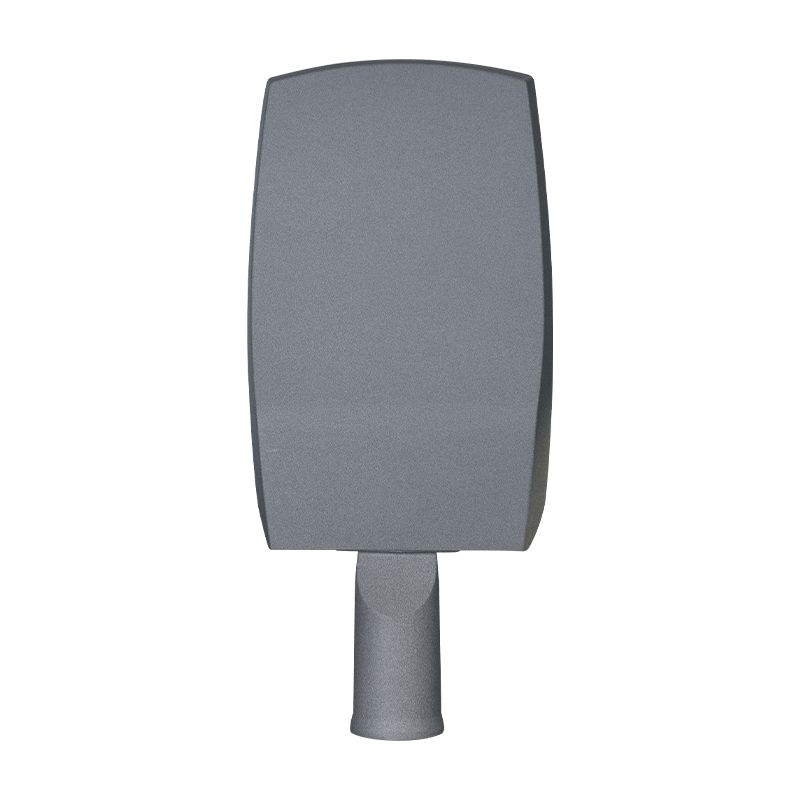 PY-LED612L-120W Outdoor Stadium Lighting Street LightThe 120W outdoor stadium LED street light is a high-performance, professional lighting solution designed specifically for stadiums and athletic fields. The light body ...View Product →
Energy Cost: The Number Buyers Underestimate
Electricity is where LED stadium lighting pays back its purchase price. Take a 24 fixture field running 500 hours a year.
- LED at 1,000W per fixture: 24,000W total, or 12,000 kWh per year
- Metal halide at 1,500W per fixture: 36,000W total, or 18,000 kWh per year
At $0.12 per kWh that is $1,440 a year for LED against $2,160 for the older system, before demand charges and before lamp replacement labor. Facilities running 800 hours a year save closer to $1,150 annually, and the gap widens as utility rates rise.
Dimming matters here too. A control system that drops output to 50 percent for youth practice sessions cuts consumption roughly in half during those hours and often pays for itself within three to five seasons.
Installation and Pole Work
Installation is the line item most likely to surprise a buyer. Budget roughly $1,500 to $4,000 per pole for labor alone, plus equipment.
Poles and foundations
New 60 foot steel poles with concrete foundations typically run $6,000 to $15,000 each installed, depending on wind loading and soil conditions. Reusing existing poles is far cheaper, but they must be inspected for corrosion, plumb, and load capacity before new fixtures are approved.
Electrical service
Running a new feeder to the field, adding a panel, or upgrading a transformer can add $20,000 to $80,000 on its own. A licensed electrician should confirm available capacity before anything is ordered.
Access and scheduling
Crane and bucket truck time is billed hourly, often $150 to $400 per hour. Sites with limited access, or work windows squeezed outside the playing season, cost more.
Maintenance and Ten Year Cost
LED stadium lights are rated L70 at 50,000 to 100,000 hours, which is well past ten years at typical use. That does not mean zero maintenance.
- Driver failures are the most common fault and are usually covered inside the first five years
- Lens cleaning every two to three seasons keeps output within design targets
- Bucket truck visits run $150 to $400 per hour, so one service trip can cost more than the part
The practical comparison is not LED against metal halide at purchase. It is ten years of lamp replacements, service calls, and rising energy bills against one higher initial invoice.
How to Compare Two Stadium Lighting Quotes
Prices only become comparable when the scope matches. Ask every supplier for the same six items.
- Fixture quantity, wattage, lumen output, and beam angle for each pole
- Photometric simulation showing horizontal and vertical illuminance across the playing surface
- Pole specification, foundation drawings, and whether existing poles are reused
- Electrical scope, including service capacity and panel work
- Control features such as dimming, scheduling, and remote monitoring
- Warranty terms, spare parts availability, and lead time in writing
If a supplier cannot produce a photometric file, the low price is a guess rather than an offer. Reviewing selection criteria in advance, such as key points when choosing stadium lights, keeps every bid on the same footing.
Working With a Manufacturer on a Field Project
For a single field, buying through a local distributor is often the fastest route. For multi field programs, school district contracts, or a reseller building a catalog, going directly to the factory changes the cost structure.
Ninghai Poda Electrical Appliance Co., Ltd. is an LED lighting manufacturer based in Ninghai, Zhejiang, China, founded in 2011, with more than 100 employees and exports to over 50 countries. The company handles in house design, mold development, and finished production, holds a Chinese invention patent along with more than 100 design rights, and states that it follows ISO 9001 quality procedures with CE, TUV, and RoHS certification on most products. Its outdoor range covers LED street lights, flood lights, high bay lights, garden lights, wall packs, and a solar line, which helps when one project mixes field lighting, parking, and walkway fixtures.
Large area fixtures for field perimeters and training zones usually fall in the 600W to 1,200W class, where heat management and driver quality decide how long the unit lasts.
 PY-SP08-1200W Low Energy Consumption Flood LightProduct Overview: The SP08-1200W LED floodlight utilizes high-efficiency LED chips and advanced heat dissipation technology to deliver exceptional illumination while s...View Product →
Mixing wattages inside the same optical family keeps color consistent across a site and simplifies spare parts inventory for the maintenance team that inherits the system.
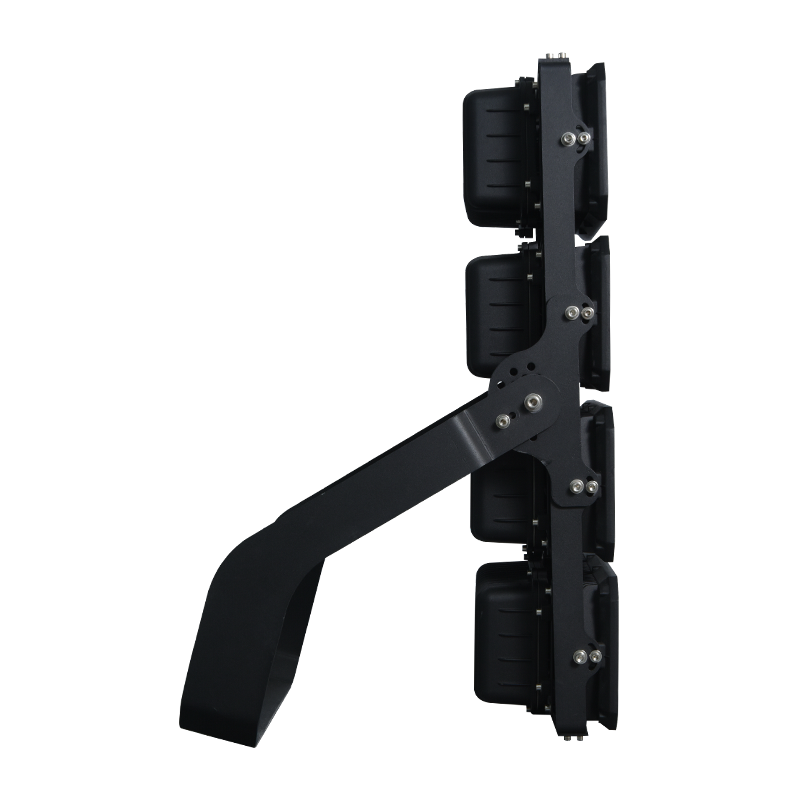 PY-LED553-960W Outdoor Flood LightThe LED553-960W outdoor floodlight is a flagship product designed specifically for large-scale outdoor lighting. Utilizing a next-generation, high-efficiency LED chips...View Product →
Custom work is a normal part of that manufacturing model. Buyers who need a specific beam angle, mounting bracket, or voltage configuration can usually request it before tooling begins. To discuss a field layout, quantities, and lead time, reach the team through the contact page.
Common Questions About Stadium Light Pricing
How much does one stadium light cost?
Between $250 and $1,500 for the fixture itself, with most field grade units landing in the $400 to $900 range at 600W to 1,000W. Poles, wiring, and installation are separate.
Is it cheaper to retrofit existing poles?
Almost always. Reusing sound poles can remove $30,000 to $80,000 from a high school project. The saving depends on a structural inspection, which costs far less than new foundations.
How many lights does a football field need?
Most high school fields use 12 to 24 fixtures on four to eight poles. The exact count comes from a photometric design, not from a rule of thumb.
Do LED stadium lights reduce electricity bills?
Yes. A 1,000W LED replaces a 1,500W metal halide fixture, cutting consumption by roughly one third. Dimming schedules can reduce it further.
The honest answer to how much stadium lights cost is that the fixture price is the easiest number to quote and the least useful one to plan around. A 12 fixture practice field and a 48 fixture broadcast stadium both need poles, wiring, controls, and someone qualified to aim and commission the system. Start with a photometric design for your field, confirm pole and service capacity before ordering anything, and compare quotes line by line. That single process usually decides whether the project lands at $70,000 or at $300,000.
-
How Do Street Lights Work? Photocells, Timers and LED Drivers Explained
10 01, 2026
Ver Más >>A street light does not wait for a control room to tell it that night has fallen. A small light sensor on top of the housing measures ambient brightness, and at a threshold between 10 and 20 lux it closes its contacts and sends mains power to the driver inside the fixture. The driver converts alternating current into a regulated direct current, and the LED module turns that current into light. The whole sequence takes a few seconds and repeats every evening without anyone touching a switch.
Seeing a street light as three blocks working in sequence makes real world problems easier to diagnose. A lamp burning at noon, a fixture that flickers before it settles, a pole that dims to half output at 1 a.m. and returns to full brightness when a car approaches. Each symptom points to the control layer, the driver or the LED module. The sections below follow that chain in order, then list the checks that prevent costly mistakes when street lights are ordered in volume.
The Three Blocks Inside a Working Street Light
Every pole mounted fixture, from a 50 W residential lantern to a 240 W arterial road light, contains the same three functional blocks.
- Power and driver. Mains voltage arrives at the pole, usually 120 V, 230 V or 277 V single phase, and up to 347 V or 480 V on some North American corridors. The driver rectifies the AC, corrects the power factor and feeds the LEDs with a constant current, typically 350 mA to 1.05 A depending on the module design.
- Light engine. LED chips mounted on a metal core board. Light from the semiconductor die passes through a phosphor layer and emerges as white light. Well built commercial luminaires deliver 120 to 160 lumens per watt at the fixture level, after optical and thermal losses.
- Control layer. A photocell, an astronomical timer, a motion sensor or a networked controller decides when the driver receives power and how much current it should deliver. On older installations it is a twist lock photocell in a receptacle on top of the housing. On newer fixtures it can be a surface mounted sensor wired directly to the driver board.
Because the blocks are independent, a fault in one rarely looks like a fault in another, which saves a great deal of guesswork on site.
How a Photocell Decides That It Is Dark Enough
The sensing element is a cadmium sulfide cell whose resistance falls as light rises, or a silicon photodiode paired with a comparator circuit. In both cases the electronics compare the measured level against a reference and drive a relay or a solid state switch.
Two figures matter. The turn on threshold is normally set between 10 and 20 lux, which corresponds to late dusk under a clear sky. The turn off threshold is deliberately higher, often two to three times the turn on value. That gap is called hysteresis, and without it the fixture would switch off the moment its own output lifted the ambient light level, then switch back on, cycling all night.
Sensor position decides reliability
A photocell has to see the sky, not the fixture it controls. When a sensor faces a nearby wall, a reflective sign or the beam from the next pole, the feedback loop can hold the lamp on after sunrise. The same thing happens when the sensor window is coated with dust or a spider web, which is the most common reason a street light stays on all day.
Timers, Motion Sensors and Smart Controls
An astronomical timer works differently. It stores latitude, longitude and date, calculates sunset and sunrise to within a minute or two, and switches the circuit accordingly. It is immune to dirty windows and shaded locations, but a power outage that clears the clock, or a daylight saving change the controller does not know about, shifts the schedule until someone corrects it.
Motion sensing adds a second layer of savings. A microwave or passive infrared detector holds the fixture at a standby level of about 20 to 30 percent and lifts it to full output when a vehicle or pedestrian enters the zone. On low traffic roads this can cut nightly energy use by a third. Passive infrared detection is less reliable in very cold weather, and both types need careful aiming to avoid false triggers from moving foliage.
Networked street lights go further. A controller in a NEMA or Zhaga socket reports power consumption, operating hours and fault codes over a wireless mesh or NB IoT link. Operators can dim whole circuits, run separate weekend profiles and spot a failed driver before residents call. This overview of the application prospects of smart street lights covers what city scale deployments actually involve.
Comparison of the four control methods commonly fitted to street lights. Control method How it triggers Typical switching level Points to check Photocell Measures ambient light with a light sensitive cell On near 10 to 20 lux, off near 30 to 60 lux Window must face open sky and stay clean Astronomical timer Calculates sunset and sunrise from location and date Within one to two minutes of true sunset Clock resets after outages and daylight saving changes Motion sensor Detects movement with microwave or passive infrared Full output on detection, 20 to 30 percent standby Aiming, false triggers and cold weather range Networked controller Receives commands from a central management system Any profile the operator sets Reliable communications and a maintenance plan For projects that need dimming schedules and fault reporting built into the fixture rather than added later, a 240 W smart street light with an integrated controller socket is a practical starting point on the specification list.
 PY-LED666-240W Smart Street LightThe smart LED666-240W street light is a modern road lighting solution that integrates energy efficiency, intelligent control, and stable performance. Utilizing high-qu...View Product →
What Happens Between the Pole and the LED Chip
Between the pole connection and the light engine sits the driver, and it does more than change voltage. It holds current constant as the LEDs heat up, so output stays stable across a warm summer night and a cold winter night alike. Driver efficiency of 88 to 92 percent is normal, and the metal body behind the board is the thermal path that keeps junction temperature inside the range the manufacturer rated.
Outdoor fixtures also carry protection that indoor lamps do not need. An on board surge protection device in the 10 kA class absorbs transients that travel up the pole during nearby lightning strikes. Gaskets and a die cast aluminium body hold an IP66 rating, the lens usually meets IK08 or better, and the cable gland and gasket are the parts most likely to admit water after years of thermal cycling.
The gain over older light sources is easy to see in round numbers. A 150 W high pressure sodium fixture produced roughly 15,000 lumens while drawing about 175 W once ballast losses were counted. A modern LED luminaire at 140 lumens per watt reaches the same delivered light with about 100 W of input, and because the optic aims the beam at the road instead of radiating in all directions, usable road illuminance is often higher at the same lumen figure.
Stable output at that level depends on the light engine and the thermal design working together, which is what a fixture such as this 150 W LED street light is built around.
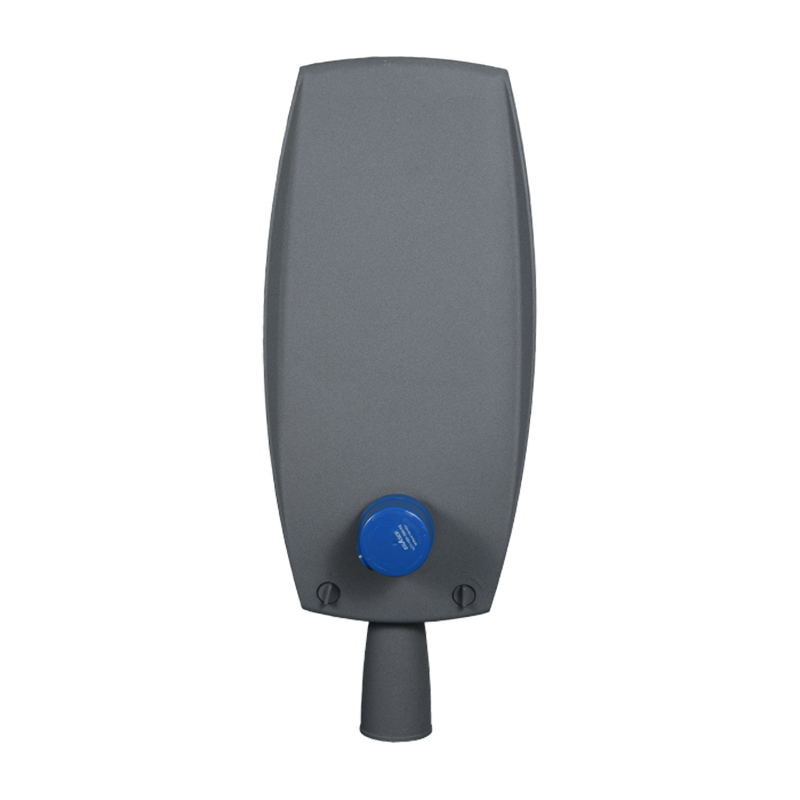 PY-LED591-150W High Quality Outdoor Street LightThe high-quality outdoor LED591-150W streetlight is a professional-grade lighting fixture designed for demanding lighting scenarios such as urban main roads, large squ...View Product →
Solar Street Lights Use the Same Logic With a Different Power Path
A solar street light replaces the mains connection with a photovoltaic panel, a charge controller and a battery pack, then keeps the same control logic at the end of the chain. During the day the panel charges the battery through an MPPT controller. At dusk the photocell or the timer releases stored energy to the driver.
Sizing is arithmetic rather than guesswork. Daily energy equals luminaire wattage multiplied by operating hours, adjusted for any dimming profile. A 60 W fixture running five hours at full output and five hours at 30 percent consumes about 390 watt hours, which a 12.8 V 100 Ah lithium iron phosphate pack covers with margin, and a 120 to 150 W panel refills on a normal sunny day. Sites with long cloudy periods need two to three nights of autonomy.
Split designs put the panel and battery on a separate rack so the pole carries less weight, while integrated designs keep everything in the fixture head for faster installation. Neither needs trenching, which is why solar units are common along parks, plazas and rural roads where the cost of a grid connection is higher than the light itself.
An 80 W high brightness solar street light shows how panel, battery and driver are matched in a single product family.
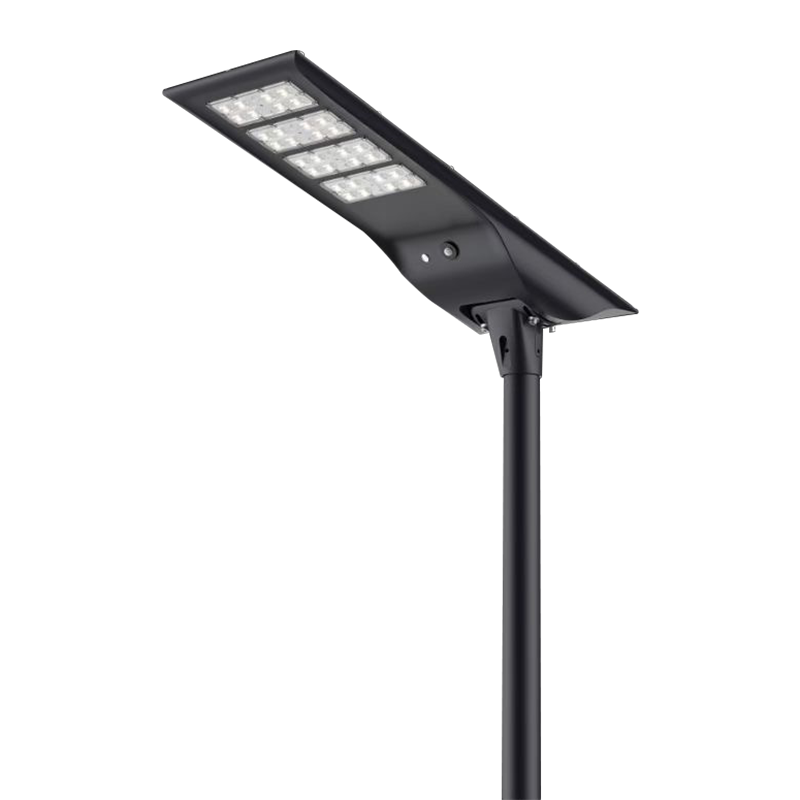 PY-SLST06-80W High-Brightness Solar Street LightThe 80W high-brightness solar street light is a high-performance, energy-saving product designed for medium to large-scale road and public lighting projects. This seri...View Product →
What Buyers Should Confirm Before an Order Is Placed
Most street light complaints traced back to procurement come from one of two situations. A figure was quoted at the chip level rather than the fixture level, or the luminaire was chosen without checking the control system it has to work with. The table below lists the values worth confirming in writing.
Typical values to confirm in writing before a street light order is placed. Parameter What to request Typical value Luminaire efficacy Fixture level test report, not chip level data 120 to 160 lumens per watt Colour consistency Binning data checked across repeated orders Within 5 SDCM, 3000 K to 5000 K Ingress and impact IP and IK certificates for the housing IP66 and IK08 or better Surge protection Internal device rating for lightning prone areas 10 kA, combination wave tested Dimming compatibility Signal type matched to the chosen controller 0 to 10 V, DALI or PWM Photocell Whether it is supplied and at what switch level On at 10 to 20 lux Warranty and spares Named driver brand and replacement lead time Five years is common Three further points deserve a place in the same conversation. Confirm the mounting diameter and arm tilt match the pole and the road class, since a 60 mm entry will not fit a 76 mm bracket. Ask for LM-80 and TM-21 lumen maintenance data rather than a marketing lifetime figure. Finally, list the certifications the destination market requires, such as CE, RoHS or TUV, so compliance is settled before production starts.
Field Symptoms and What They Usually Mean
Once the three blocks are clear, most service calls resolve into a short list of causes.
- Light stays on through the day. The photocell window is dirty, shaded or failed, or an astronomical timer lost its date after an outage.
- Flicker or a short dropout. A failing driver, a loose spade terminal, or interference on the dimming pair.
- On and off cycling near dawn. The hysteresis band is too narrow, or the sensor is catching light from a neighbouring pole.
- Full brightness at 2 a.m. on a road that should be dimmed. The control profile was never loaded, or the network controller dropped off the mesh.
- Lower output than on day one with no dimming command. LED module degradation, a failed string, or a driver that reduced current to protect itself from heat.
Street lighting is a simple system once it is broken into its parts. Something decides that it is dark, something converts mains or stored DC power into a controlled current, and something turns that current into light. Faults point to one of those three blocks, and a good specification pins down the performance of all three before the order is signed.
For buyers running multi site projects, the practical advantage of a manufacturer that handles design, tooling and assembly in house is consistency between orders, meaning the same optic, the same binning and the same driver platform year after year. Poda Lighting produces mains powered and solar LED street lights in the 50 W to 240 W range, alongside flood lights, high bay lights and garden lights used in stadiums, tunnels, factories and residential streets, and exports to more than fifty countries. If you are preparing a tender or comparing samples, you can send your project specifications to the team for a matched recommendation.
-
Commercial Parking Lot Lighting: How to Spec LED Area Lights That Last
09 25, 2026
Ver Más >>Walk most large retail or office lots after dark and the same pattern shows up: bright pools directly beneath the poles, dark bands between them, and a wall of glare for anyone driving toward the building.
Those complaints rarely trace back to a brand name. Commercial parking lot lighting is a layout problem before it is a product problem. Pole spacing, mounting height, lens optics, and the illuminance target decide whether a lot feels safe at eleven at night. The luminaire bolted to the pole only decides how long that performance holds and what it costs to maintain. Fix the plan first, then buy hardware that matches the plan.
Set the Illuminance Target Before You Compare Fixtures
A wattage number tells you almost nothing about how a finished lot will look. The measurable targets are maintained average illuminance, expressed in footcandles or lux, and uniformity, expressed as a maximum-to-minimum ratio across the lot surface.
For planning purposes, most commercial sites fall into one of three bands:
- Basic parking with low night activity: roughly 0.5 footcandle average, uniformity no worse than 20 to 1.
- Standard retail, office, and mixed-use lots: 1.0 to 1.5 footcandles average, uniformity around 15 to 1.
- High-end retail, hospital, and transit lots: 2.0 footcandles and above, with tighter uniformity and stronger vertical illuminance so faces and vehicle plates stay readable.
Ask for the photometric file rather than a summary sheet. An IES or LDT file lets you model the real layout before purchase and exposes suppliers who quote wattage without knowing the pole spacing. If a supplier cannot send one, the quote is unfinished.
LED vs Metal Halide: Where the Operating Budget Actually Goes
Hardware cost is paid once. Electricity and maintenance repeat every year for as long as the lot operates. The comparison below is usually the number that justifies an upgrade, and it is also the number that most quotes leave out.
Annual energy cost per fixture, 12 hours per night at 0.12 USD per kWh
The chart prices a single fixture running twelve hours a night at 0.12 USD per kilowatt hour. A 1000 W metal halide head with its ballast pulls roughly 1,080 W, which lands near 568 USD of electricity every year. The 400 W metal halide still sitting on thousands of poles costs about 242 USD per head per year. A 300 W LED that replaces the 1000 W unit in most layouts drops to about 158 USD, and a 150 W LED comes in near 79 USD. On a thirty pole lot, the gap between the first bar and the third bar is roughly 12,300 USD per year, and that gap repeats annually while the LED hardware is paid for once.
PY-LED666-240W Smart Street LightThe smart LED666-240W street light is a modern road lighting solution that integrates energy efficiency, intelligent control, and stable performance. Utilizing high-qu...View Product →Match Wattage to Pole Height and Lot Geometry
Mounting height and pole spacing drive wattage far more than lot area does. Two lots of the same size need very different fixtures if one has fifteen foot poles and the other has thirty foot poles.
Wattage ranges assume one fixture per pole and a Type III or Type IV distribution; the final number comes from the photometric plan. Mounting height Typical LED wattage Rough coverage per fixture Where it fits 12 ft (3.7 m) 60 to 100 W 3 to 5 spaces Perimeter rows, drive aisles, narrow lots 15 ft (4.6 m) 100 to 150 W 5 to 7 spaces Small retail lots, interior rows 20 ft (6.1 m) 150 to 200 W 6 to 9 spaces Mid-size retail and office lots 25 ft (7.6 m) 200 to 300 W 8 to 12 spaces Grocery and shopping center lots 30 ft (9.1 m) 300 to 400 W 10 to 14 spaces Big box stores, distribution yards 40 ft (12.2 m) 400 to 600 W 14 to 20 spaces High mast areas, truck courts, event edges Read the table as a starting point, not a specification. When poles are spaced wider than one and a half times the mounting height, uniformity suffers and you either add fixtures or accept dark bands between them. A common mistake is buying higher wattage to compensate for wide spacing, which raises glare and energy cost while leaving the dark bands untouched. Checking spacing against height before ordering wattage saves more money than any single fixture choice.
Why Watt-for-Watt Comparisons Fail
Legacy lamp wattage and LED wattage are different measurements of different things, so a direct substitution table misleads buyers during tendering.
Metal halide rating compared with LED wattage for comparable delivered lumens
Each pair places a metal halide rating beside the LED fixture that produces a similar amount of light. A 400 W metal halide lamp delivers roughly 36,000 initial lumens, and a well-built 150 W LED reaches the same figure with better optical control. The 1000 W unit on the far right is matched by a 400 W LED, not by a 1000 W LED. Sales sheets that market an equivalent LED at the same wattage are usually trading efficiency for heat, shorter driver life, and larger heat sinks. When you compare tenders, compare delivered lumens per watt, the L70 rating, and the warranty on the driver rather than the wattage printed on the carton.
Depreciation and Maintenance Over a Ten-Year Hold
Light output falls long before a lamp stops glowing, which means the lot that met its target on day one may be underlit well before anyone replaces a fixture.
Light output as a percentage of initial value across 30,000 operating hours
The two lines track remaining light output as a percentage of the day one value. A quality LED keeps more than ninety percent of its output at 30,000 hours, which is still a fraction of its rated life. A typical metal halide lamp loses roughly thirty percent of its output by 10,000 hours even when nothing has failed outright. Because output falls, a lot designed to meet 1.0 footcandle can drop below the target long before the lamps visibly stop working. The chart also excludes lamp and ballast replacement cycles, bucket truck time, and disposal, all of which sit on the metal halide side of the ledger. Specify fixtures with a published L70 or L80 figure and a warranty that covers both the driver and the LED module.
Optics, Glare, and Dark Sky Compliance
Optics decide where the light lands, and that determines whether a lot is comfortable or hostile. Area lights are classified by distribution: Type II for narrow aisles, Type III for standard lots, Type IV for wide areas with low mounting, and Type V for circular coverage from high masts.
Glare control matters more than raw output. A sharp cutoff optic paired with a backlight, uplight, and glare rating keeps light on the pavement instead of in windshields and bedroom windows. Many jurisdictions now cap uplight at a low percentage and require full cutoff housings, so an unlisted fixture can fail inspection after installation. If your layout relies on building-mounted units along the facade, it helps to understand what a floodlight is and where it fits before mixing fixture types on one plan.
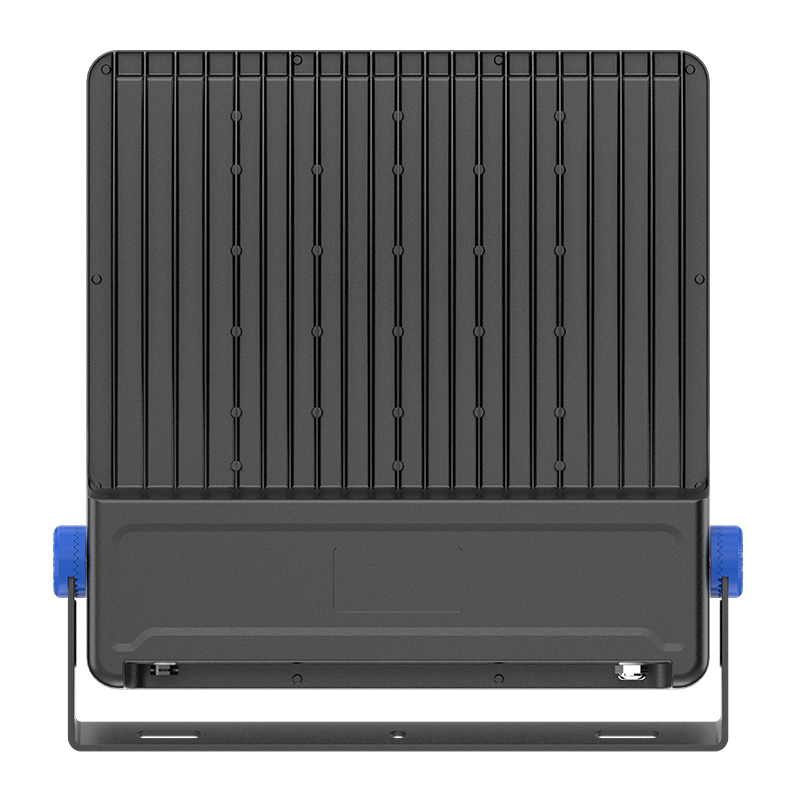 PY-FL05-300W High Quality Outdoor Flood LightThe FL05-300W floodlight is manufactured to industrial-grade standards and designed specifically for large outdoor spaces, providing exceptional brightness and long-la...View Product →
Solar Fixtures for Remote or Unmetered Lots
Overflow lots, trailheads, and satellite employee parking often have no conduit and no easy way to add one. Trenching a single pole run can cost more than the fixtures themselves, which is where solar becomes an engineering answer rather than a green gesture.
Sizing is the whole game. You need enough panel wattage to recharge after a short winter day, a battery chemistry that tolerates daily deep cycling, and an autonomy buffer for two or three cloudy days. Lithium iron phosphate packs handle that duty better than older chemistries, and integrated units avoid extra wiring between panel, battery, and head. Expect lower output than a mains-powered fixture of similar size, so solar works best on 20 W to 100 W classes with moderate uniformity targets.
PY-SLST06-80W High-Brightness Solar Street LightThe 80W high-brightness solar street light is a high-performance, energy-saving product designed for medium to large-scale road and public lighting projects. This seri...View Product →Fixture Types Side by Side
Most commercial lots end up mixing two or three fixture types, so it helps to see how they trade off against each other before the bill of materials is fixed.
Comparing four common parking lot lighting approaches across five criteria
The radar scores four common approaches from one to five against five criteria that show up in almost every parking lot tender. Cobra head and shoebox area lights score highest on coverage and glare control because their lenses are designed for pole-mounted, wide-area work. Flood lights score lower on glare control but hold high marks on installation simplicity and upfront cost value when the building wall already has power and a mounting point. Integrated solar units lead on energy efficiency because they draw nothing from the grid, yet their upfront cost value is the weakest of the four once battery and panel are included. These scores are not a quality ranking; they are a reminder that one lot usually needs more than one fixture type to reach its illuminance and uniformity targets.
Certifications and Procurement Risk
Once the layout is settled, compliance paperwork decides whether the project clears inspection and whether the owner can claim a utility rebate. Check these items on every quote:
- DLC listing, which is usually the gate for utility rebates and for some commercial energy codes.
- UL or ETL listing for the complete luminaire, not just the driver.
- IP65 or IP66 sealing for wet locations, plus an impact rating such as IK08 for pole-mounted heads.
- LM-79 and LM-80 reports so the lumen and depreciation claims can be traced to a test.
- Available IES photometric files for every wattage and distribution offered.
- Dimming or control compatibility, whether 0 to 10 V, photocell, or networked control.
- Written warranty terms covering driver, module, and finish, with the replacement process stated.
Missing paperwork is a cost, not a formality. A fixture without a listing can be rejected at inspection, and a rebate that fails can erase the payback gap between two competing bids.
A Repeatable Way to Buy
Set the illuminance and uniformity target, model the layout with real photometric files, match wattage to pole height and spacing, then confirm depreciation, certifications, and warranty before signing. That sequence keeps the conversation about measured performance instead of marketing claims.
If your project needs modified beam angles, custom housings, or a specific wattage and color temperature combination, it is worth working directly with a manufacturer that controls its own tooling and assembly. You can send your layout and specification to the team and ask for luminaire recommendations, IES files, and lead times before the tender closes.
-
Commercial Exterior Light Fixtures: A Complete Buyer's Selection Guide
09 24, 2026
Ver Más >>A facilities team in a coastal city replaces forty wall packs along a loading dock roughly every eighteen months. The LEDs themselves rarely fail. The die-cast housing corrodes at the mounting flange, water reaches the driver through a gasket that was never rated for permanent outdoor service, and the electronics give out during the second winter. The original purchase price looked competitive. The five-year cost did not.
Here is the short version before the detail. When you specify commercial exterior light fixtures, housing material and sealing quality matter more than the wattage printed on the carton. Watts only describe how much energy a fixture draws. Lumens per watt, ingress protection, impact rating, driver quality and thermal design decide whether the installation still performs in year five. Everything below explains how those factors connect, and where buyers most often lose money.
What Separates a Commercial Exterior Fixture From a Consumer One
The dividing line is not brightness. It is the ability to survive years of rain, salt air, ultraviolet exposure and temperature cycling without opening a path for water. A residential flood light sold in a home improvement store often uses stamped steel, a single silicone bead around the lens and a driver mounted directly against the housing. That construction can work under a porch. It rarely survives a parking lot.
Commercial-grade exterior fixtures usually share a set of traits that buyers can verify on a datasheet:
- Die-cast aluminium housing rather than stamped steel, with a powder coating tested for salt spray resistance.
- A separate driver compartment or a thermally isolated driver, so LED heat does not shorten capacitor life.
- Ingress protection of IP65 or higher, with a gasket that is compressed by screws rather than clipped in place.
- Impact resistance of IK08 or above, which protects the lens from hail, tools and accidental contact.
- Surge protection, commonly 6 kV to 10 kV, to absorb grid spikes and nearby lightning strikes.
- Photometric files measured to LM-79 and, for longer projects, LM-80 data that supports the lumen maintenance claim.
None of these items appear in the headline wattage. That is exactly why they are the first thing a serious buyer checks and the first thing a low-cost supplier removes.
Matching the Fixture Family to the Site
Most outdoor lighting projects fail at the selection stage, not the installation stage. A 200 W flood light aimed from a 5 m wall produces harsh pools of light and deep shadows. The same budget spent on a properly distributed street light at 8 m produces even coverage with less glare. The table below shows the practical ranges that outdoor LED families normally cover.
Wattage, mounting and ingress figures are indicative ranges drawn from typical outdoor LED families. Final selection depends on target lux levels, pole spacing, mounting geometry and local electrical code. Fixture family Typical wattage Usual mounting height Recommended ingress protection Common applications LED flood light 30 W to 1200 W 3 m to 12 m IP65 or IP66 Facades, sports courts, yards, signage LED street light 50 W to 240 W 6 m to 12 m IP65 or IP66 Roads, car parks, plazas, stadium perimeter Wall pack 20 W to 60 W 2.5 m to 4 m IP65 Loading docks, corridors, entrances LED garden light 8 W to 80 W 0.8 m to 3 m IP65 Pathways, estates, courtyards Solar area light 20 W to 400 W 3 m to 8 m IP66 Off-grid roads, remote yards, temporary sites Flood lights carry the widest power range because they are used for everything from lighting a shop sign to illuminating a stadium apron. A 300 W unit with an asymmetric reflector can cover a facade wall from 8 m away, while a 1200 W model belongs on a pole aimed at a large yard. Buyers who understand what a floodlight is actually designed to do will avoid the classic mistake of choosing a narrow beam unit for a wide area.
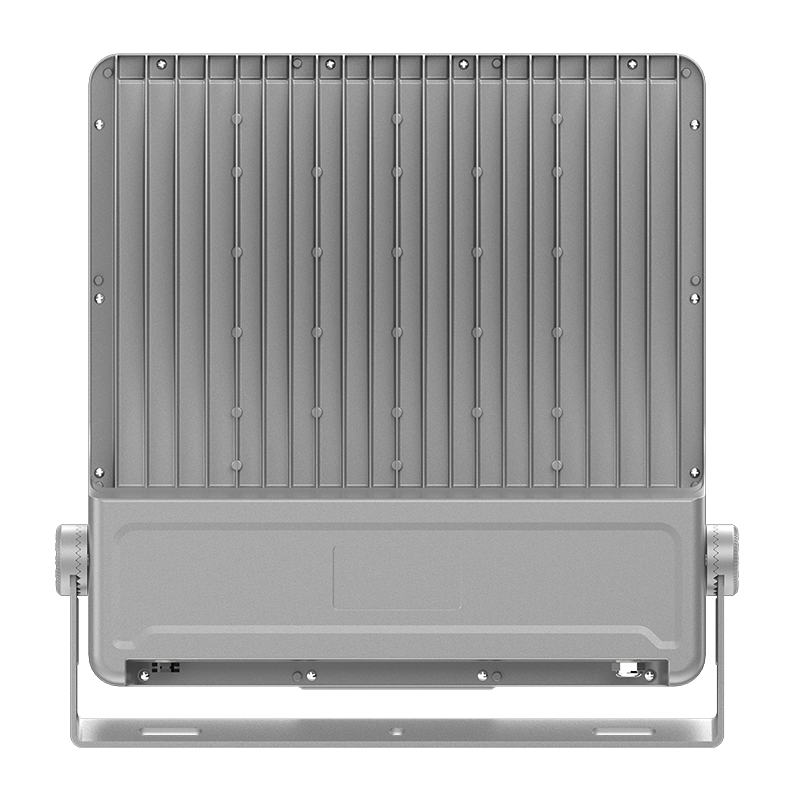 PY-FL02-300W Low Energy LED Flood LightThe FL02-300W low-energy LED floodlight maintains stable output in extreme environments ranging from -40°C to 60°C. Its IP66-rated protection effectively resists wind ...View Product →
For projects that combine several families, ordering from a single manufacturer keeps photometric data, colour temperature and connector standards consistent, which simplifies commissioning and future spare parts.
Reading Wattage, Lumens and Efficacy Without Getting Misled
Efficacy is the number that turns electricity into usable light. It is measured in lumens per watt and it varies noticeably between fixture families because of optical design, thermal headroom and driver efficiency. The chart below shows the ranges that well-designed outdoor LED products normally reach.
Typical LED efficacy by exterior fixture family, in lumens per wattHigh bay fixtures reach the highest numbers because their large heat sinks and open mounting positions keep the LED junction cool. Street lights follow closely, helped by mature optical systems and drivers tuned for constant current operation. Flood lights sit slightly lower because their housings are often sealed tightly and the optics sacrifice some efficiency for beam control. Wall packs and garden lights lose a few percent to compact enclosures and decorative diffusers, which is normal and rarely a problem in practice. Solar fixtures trail the group because battery charging and discharging adds a conversion loss that mains-powered products never see. The practical lesson is simple: when comparing two fixtures at the same wattage, the one with higher efficacy delivers more light for the same electricity bill and usually indicates better thermal design overall.
Beam Angle, Spacing and Uniformity
Beam angle decides how far light travels and how evenly it lands. A narrow 30 degree beam throws light a long distance but creates a bright circle with dark edges. A 120 degree beam spreads light widely but loses reach. Most outdoor projects sit between 60 and 90 degrees, with asymmetric distributions reserved for roadway work.
- Type II distribution pushes light along one side of a pole, suited to narrow paths and single lane roads.
- Type III distribution is the general purpose roadway pattern for typical street widths.
- Type IV distribution reaches wider areas and suits car parks and loading zones.
- Type V distribution is fully symmetrical and suits open plazas and central poles.
Uniformity matters as much as average illuminance. A car park that averages 30 lux but swings between 5 lux and 60 lux feels unsafe because the human eye adapts slowly between bright and dark zones. Designers usually target a uniformity ratio of at least 0.4, meaning the darkest point on the surface should never fall below 40 percent of the average. Achieving that ratio is a matter of spacing rather than wattage, so widening the pole spacing and raising the power is almost always the wrong trade.
PY-LED612L-120W Outdoor Stadium Lighting Street LightThe 120W outdoor stadium LED street light is a high-performance, professional lighting solution designed specifically for stadiums and athletic fields. The light body ...View Product →Five-Year Cost by Wattage Band
Purchase price is the smallest part of the total. Energy, cleaning, driver replacement and labour for access equipment dominate the real cost, and they scale roughly with wattage. The chart below shows an estimated five-year cost per fixture across common wattage bands, assuming eight hours of nightly operation and average commercial electricity rates.
Estimated five-year energy and maintenance cost per fixture, by wattage band, in US dollarsThe curve climbs faster than wattage itself because higher power fixtures are usually mounted higher, which means reaching them costs more in labour and equipment. A failed 400 W fixture at 10 m may cost more to replace than the replacement unit itself, so driver quality has a direct financial value. Buyers should treat any quoted saving at the purchase stage as a fraction of the total, because a fixture that fails once in five years can erase the entire price advantage of a cheaper alternative. Conversely, paying twenty percent more for a fixture that runs ten years without service is usually the better decision on paper and in practice. The bands above also explain why solar fixtures make economic sense in remote locations, where the cost of running cable can exceed the cost of the fixtures many times over.
Solar or Mains: Choosing the Power Source
Solar outdoor lighting has moved well past the small decorative panels sold for garden paths. Integrated solar street lights with lithium iron phosphate batteries now deliver 40 W to 100 W for full night operation in many climate zones. The trade is straightforward: a higher upfront cost in exchange for no trenching, no cabling and no electricity meter.
Cumulative cost per fixture over five years, mains-powered LED compared with solar LED, in US dollarsMains-powered LED Solar LEDThe two lines behave very differently. The mains line starts low because the fixture and the cabling are relatively cheap, then climbs steadily as electricity and maintenance accumulate. The solar line starts high because the panel, battery and controller are all part of the same unit, then flattens out because there is no energy bill to pay. The crossing point falls near the end of year five in this model, which is the number that matters for most commercial decisions. Any project with a longer horizon tips further toward solar, while a short term installation favours mains power. Trenching cost is the variable that shifts this chart the most, because a single cable run across a paved yard can exceed the price of every fixture on the site.
Multi-criteria comparison of mains LED and solar LED exterior fixtures, scored from 0 to 1Mains-powered LED Solar LEDThe radar view shows why the choice is rarely obvious. Mains fixtures still hold the advantage on raw efficacy because there is no battery conversion loss in the chain. Solar fixtures score higher on weather sealing and corrosion resistance, largely because manufacturers build them to survive unattended operation in exposed locations. Solar also wins on install simplicity, since a self-contained pole needs no trench, no conduit and no electrical inspection. Cost control is the axis that eventually decides the outcome, and it tilts toward solar whenever the cable run is long or the grid connection is expensive. Reading all five axes together prevents the common mistake of choosing on a single number.
Ingress Protection, Corrosion and Certification Checks
Once the fixture family and power source are settled, the compliance details decide whether the order passes inspection. Ask for documentation rather than a verbal promise, and check that the certificate number matches the model you are buying rather than a similar product from the same catalogue.
- Ingress protection test report covering IP65, IP66 or IP67 as required by the mounting location.
- Impact rating certificate, typically IK08 or IK10 for public and industrial areas.
- Salt spray test hours, which matter most within a few kilometres of the coast.
- CE, TUV and RoHS declarations for European and UK shipments, plus local equivalents for other markets.
- Quality management certification such as ISO 9001 covering the factory that will actually produce the order.
- LM-79 photometric files and LM-80 lumen maintenance data for projects that specify performance guarantees.
- Surge protection rating and driver brand, since the driver is the component most likely to fail first.
A supplier that can produce all seven items without delays is usually a manufacturer with its own tooling and testing capability. A supplier that forwards the request to a third party is usually a trading company, which is not automatically disqualifying but does change the lead time and the traceability of any future complaint.
Sourcing, Customisation and Lead Times
Exterior lighting orders are rarely catalogue purchases. A hotel facade may need a specific colour temperature matched to an existing installation. A distributor may need a private label housing, a modified bracket or a different connector standard. A municipal project may require a photometric layout study before the first unit is approved.
 PY-WP9002 Outdoor Wall Pack LightsThe WP9002 outdoor wall light is a high-end outdoor lighting product that combines superior protection with artistic lighting design. Constructed from a sturdy 304 sta...View Product →
These requirements change the sourcing conversation. A manufacturer with in-house design, mould development and assembly can quote a modified housing without waiting for an external tool shop, and can correct a fitment issue before mass production rather than after. That capability is worth verifying directly, because it determines how quickly a problem is solved once the container has already shipped.
Lead time expectations should be set in writing. Typical commercial orders of a few hundred units move through production in a matter of weeks, while custom moulds, new packaging artwork or third-party testing add time on top. Buyers who plan for both the production window and the shipping window avoid the last-minute air freight that erases the margin on an otherwise healthy order.
For projects with unusual requirements, the fastest route is usually a direct conversation about the site, the mounting geometry and the target light levels. A short technical brief with pole heights, spacing, ambient conditions and certification needs is enough for an experienced supplier to recommend a configuration rather than a catalogue number. You can start that conversation through the contact page and expect a specification draft in return.
Commercial exterior light fixtures reward careful specification and punish shortcuts. Start with housing material, sealing quality and thermal design. Confirm the efficacy figure rather than the nominal wattage. Check the beam distribution against the actual mounting height and pole spacing. Then decide between mains and solar power based on the cable run and the length of time you will keep the site. Those four decisions account for most of the difference between an installation that quietly runs for a decade and one that keeps a maintenance crew busy every second winter.
-
Understanding Color Temperature in LED Lighting: Choosing the Right Kelvin Scale
09 18, 2026
Ver Más >>A facility manager walks through a newly lit warehouse and notices that the 5000K high bay fixtures make the space feel crisp and workable. A colleague complains that the same light feels cold and harsh. Meanwhile, a retail showroom across the street installed 2700K spotlights, and customers say that the products look warmer but slightly dimmer. Both spaces use LED lighting, and both meet the wattage targets on paper. The difference is color temperature, and getting it wrong is one of the most common specification mistakes in lighting projects.
This article explains what color temperature means in practical terms, how the Kelvin scale applies to LED fixtures, and how to choose the right correlated color temperature for a given space. We also cover CRI, spectral power distribution, and the buying factors that matter most for commercial and outdoor lighting.
What Color Temperature Actually Means
Color temperature is a numerical scale that describes whether a light source appears warm yellow, neutral white, or cool blue. It is measured in Kelvin and is derived from the visible color that an idealized black body radiator emits when heated to a specific temperature. A candle flame sits near 1800K and looks deep orange. Clear noon daylight can exceed 6000K and looks blue. LED lamps do not rely on a heated filament, but they are assigned a correlated color temperature, or CCT, that describes how closely their visual output matches that black body reference.
The word temperature confuses many buyers. Higher Kelvin numbers produce cooler or bluer light, while lower numbers produce warmer or yellower light. This is the reverse of daily intuition, so it is worth repeating: a 2700K LED is warm and cozy, while a 6500K LED is cool and clinical. The number describes the color appearance of the light, not the heat emitted by the fixture.
The Kelvin Scale: From Warm Candlelight to Cool Daylight
Every lighting project starts with a simple question: which Kelvin value suits this space? The chart below shows where common light sources fall on the Kelvin scale. It is useful to memorize a few anchor points because they translate directly into the color appearance you will see in a fixture.
Common Light Sources on the Kelvin Scale
Reading the chart from left to right, the warmest everyday sources are candlelight at 1800K and incandescent lamps at 2700K. Halogen and warm white LED fixtures commonly sit at 3000K, which is the default for residential and hospitality lighting in many markets. Neutral white around 4000K is widely used in offices and retail environments because it balances alertness with a clean appearance. Cool white sources from 5000K to 6500K, including noon daylight and overcast sky conditions, are typical for industrial halls, streets, stadiums, and other large outdoor areas. The chart also shows why the phrase high color temperature is misleading: the highest Kelvin values produce the bluest light, which our eyes register as cool rather than hot. Understanding these anchor points helps you communicate with suppliers and avoid ordering a fixture that looks completely different from what you expected.
Spectral Power Distribution: Why Two 4000K Lamps Can Look Different
CCT describes the overall color appearance, but it does not tell the whole story about a light source. Two fixtures with the same 4000K rating can render colors differently because their spectral power distributions are different. The line chart below compares typical spectral curves for a 3000K LED and a 6500K LED.
Spectral Power Distribution of Two LED Color Temperatures
The 3000K curve concentrates most of its energy in the yellow-orange region around 590 to 620 nanometers, which is why warm white light feels rich and comfortable. The 6500K curve distributes more energy across the entire visible spectrum and carries a stronger blue peak near 450 nanometers, which is why it reads as neutral or cool. A high-quality LED module produces a smooth, broad spectrum, while a low-cost module may have deep dips in certain regions, especially around 480 nanometers, where the eye is sensitive. These dips directly affect color rendering, which is why CRI scores are reported separately from CCT. For a commercial project, ask the manufacturer for the spectral power distribution chart and the CRI value at the exact CCT you plan to buy. In our experience reviewing fixtures for export projects, the gap between a good spectrum and a poor one becomes visible as soon as the light hits merchandise, signage, or human skin.
Choosing the Right Color Temperature by Application
Choosing the right CCT should follow the task and the atmosphere rather than a fixed rule. The table below summarizes the values most commonly used in commercial and outdoor lighting projects.
Usable CCT ranges for common commercial and outdoor lighting applications Application Recommended CCT Key reason Hotel lobby and restaurant 2700K to 3000K Relaxed atmosphere, flattering skin tones Retail clothing store 3500K to 4500K Balanced fabric and color rendering Office workspace 4000K to 5000K Alertness with low visual fatigue Factory and warehouse 5000K to 6000K High perceived brightness for detail work Street and roadway 4000K to 5000K Visibility and comfort for drivers Stadium and outdoor sports 5000K to 6000K Strong vertical light and broadcast quality Typical CCT by Application
The column chart visualizes the CCT bands that are most common for each project type. Residential and hospitality spaces stay below 3000K because a warm tone shortens the visual distance and creates a sense of calm. Retail environments mostly use 3500K to 4500K, a range that makes colors pop without feeling artificial. Offices settle near 4000K, which is now considered the safest compromise for long hours of screen work because it supports alertness while avoiding the cold glare of 6500K. Factories, warehouses, and sports venues push toward 5000K and above, where the blue-enriched spectrum improves visual acuity and perceived brightness at the same wattage. Cities are also standardizing street lighting around 4000K to balance face recognition, safety, and nighttime comfort. The trend in new projects is toward tunable white systems that shift the CCT during the day, but for fixed fixtures, the application table is the most reliable reference.
For a large roadway project, our LED street light series offers tested CCT options from 3000K to 6500K, and our engineering team can match the optics to the pole height and road class. City operators are also moving toward smart street lighting systems that adjust CCT and dimming in response to traffic, a trend covered in more detail in our overview of smart street lighting.
 PY-LED666-100W Die-Cast Aluminum LED Street LightThis 100W street light uses a die-cast aluminum body for reliable heat dissipation and sturdy construction, with selectable chip and driver brands. It suits main roads, plazas, and industrial parks that need strong illumination.View Product →
High bay fixtures used in factories follow a separate set of considerations, including mounting height, ambient temperature, and uniformity, which is why the high bay series is built with aluminum heat sinks and replaceable optics.
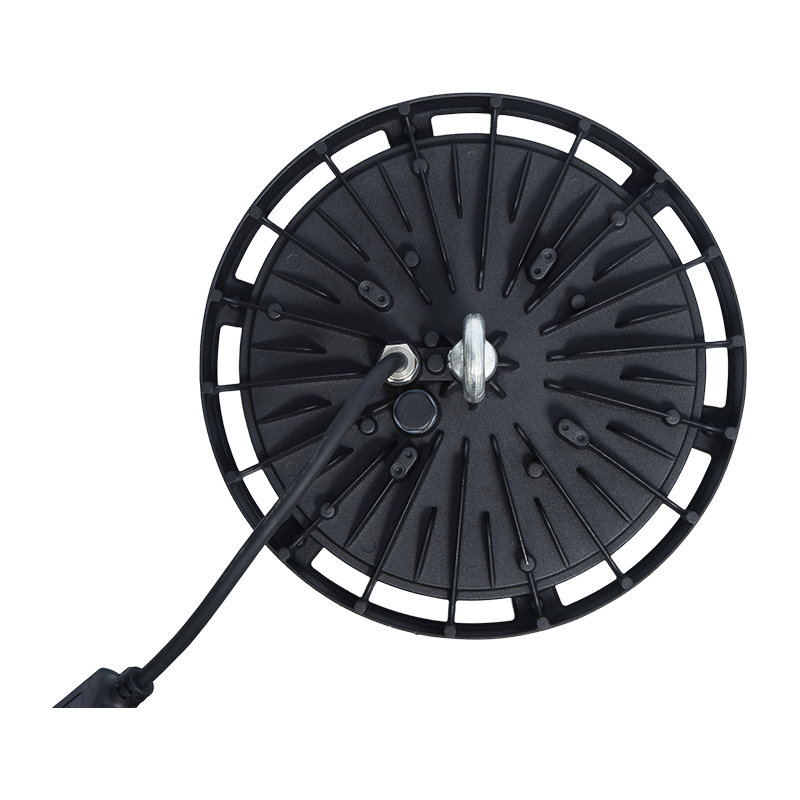 PY-LED916-150W Aluminum LED High Bay LightDesigned for tall industrial spaces like warehouses and stadiums, this 150W high bay light features an aluminum housing, IP65 protection, and efficient heat management, making it suitable for harsh, dusty, or humid environments.View Product →
Warm Versus Cool: Perception Profiles Compared
Beyond Kelvin values and spectral curves, the choice between warm and cool light affects how a space feels and how people perform in it. The radar chart below compares typical perception profiles for 3000K and 5000K lighting across six dimensions. The profiles are based on typical occupant feedback and field observations rather than on a single laboratory measurement.
Perception Profile of Warm and Cool Light
Warm light at 3000K scores higher on relaxation, mood comfort, and color accuracy in decorative settings, which is why hotels and restaurants use it almost exclusively. Cool light at 5000K scores higher on task focus, energy level, and night visibility, which explains its dominance in workplaces, parking areas, and sports grounds. Color accuracy is rated similarly for both in this chart because a well-designed LED module can achieve high CRI at either CCT; the difference appears when the spectrum is narrow or poorly balanced. The higher night visibility rating for cool light reflects the fact that scotopic vision is more sensitive to blue-green wavelengths, making the surroundings appear brighter at lower luminance. The practical conclusion is that the best color temperature depends on the activity and the time of day. A flexible approach, such as separate warm circuits for evening and cool circuits for work, is often more valuable than picking one number for an entire building.
For area lighting where both comfort and visibility matter, our flood light series lets you select the CCT at the time of ordering, and the optics produce a smooth beam without distracting shadows.
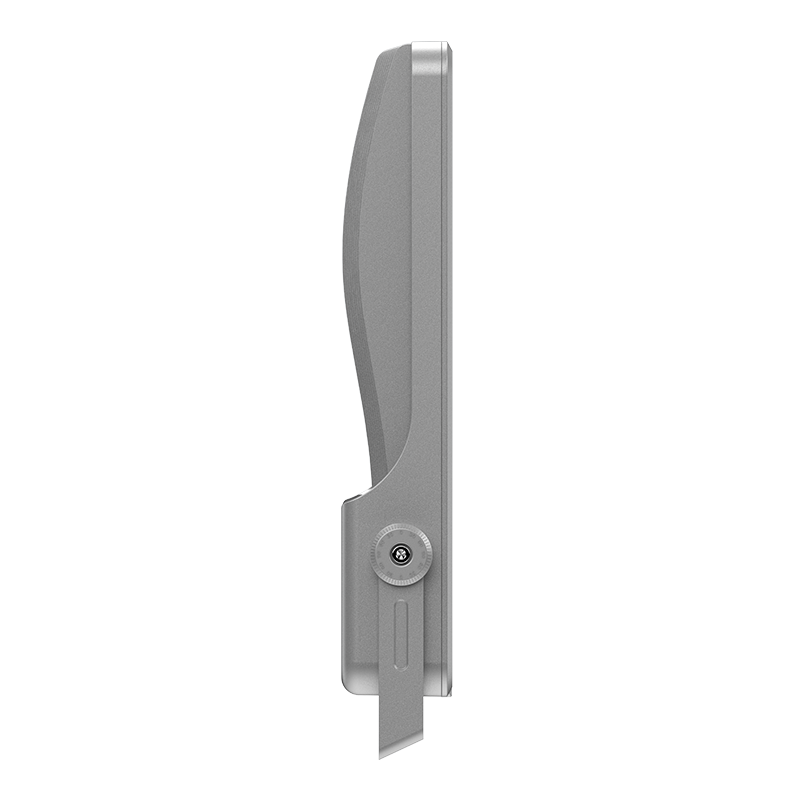 PY-FL02-200W Outdoor Low Energy Flood LightThis 200W flood light delivers 22,500 lumens at just 150W, combining energy efficiency with a lightweight aluminum housing. Ideal for roads, plazas, and parking lots that require long-duration outdoor illumination.View Product →
Buying Considerations and Common Pitfalls
CCT is only one line on a datasheet, and some sourcing pitfalls hide behind it. The most common is lumen inflation at high CCT. The same LED chip can deliver 10 to 15 percent higher luminous efficacy at 6000K than at 3000K, so some manufacturers quote the highest possible lumen output without stating the CCT used for the test. Always ask for the photometric report at the CCT you intend to order. The second pitfall is CRI without R9. CRI alone does not reveal how well a source renders saturated red, which matters for retail, food, and medical applications. The third pitfall is the assumption that all fixtures from one factory share the same tint. A production batch of LED modules can drift by 200K or more, so check the step bin, usually MacAdam 3 or better, to keep color consistent across fixtures.
Use this checklist when you evaluate a fixture:
- Confirm the nominal CCT and the accepted tolerance, usually 2700K to 6500K with a margin of about 200K.
- Check CRI and R9 values at the exact CCT you plan to purchase.
- Review the tested lumen output at that CCT, not at the highest possible chip setting.
- Verify the beam angle and light distribution that match the mounting height and spacing.
- Look for dimming compatibility and driver certification for your supply voltage.
- Ask for the MacAdam step to ensure color consistency within a single order.
Color temperature is not a decorative detail. It is a functional specification that shapes comfort, safety, task performance, and the way a space is perceived. The right choice comes from mapping each zone to its use, confirming the manufacturer's tested data at the CCT you want, and checking that the spectrum and color rendering support the actual activity. If you are planning a street, stadium, warehouse, or garden lighting project and you are unsure which Kelvin value fits best, send us your layout and we will recommend a CCT and fixture layout based on measured data rather than guesswork. The earlier you settle the color temperature question, the fewer surprises you will meet on site. You can reach our team through the contact page for a project review.
-
Car Dealership Building Lighting: Specs, Levels, and LED Retrofit Guide
09 17, 2026
Ver Más >>It is 8:45 on a Tuesday evening. The dealership closed at seven, the last test drive ended an hour ago, and the sales floor is dark. Yet a couple pulls into the lot, parks near the front row, and walks slowly past the inventory. They are not here to buy tonight. They are here to look, and every impression they form in the next ten minutes comes from the lighting and not from a salesperson. A crisp, uniform wash of white light over the vehicles makes paint look polished and condition look genuine. A fixture that has faded to a dull yellow, with dark pools under each hood, makes even a new model look neglected. That is the commercial reality of car dealership building lighting: it sells the inventory before anyone speaks.
Dealership Lighting Is a Business Decision, Not Just a Utility Bill
Because the visual effect is so direct, dealership owners and facility managers should treat lighting as a revenue investment rather than a maintenance line item. On the sales side, bright and color-accurate displays draw attention from the road, help customers find the vehicle they want to inspect, and make the entire site feel professionally managed. On the risk side, even illumination eliminates hiding spots and improves the odds that security cameras produce identifiable images. On the operating side, a modern LED installation typically cuts fixture wattage by 50 percent or more, which matters when the system runs 12 or even 24 hours a day on display lots, showrooms, and service access doors. Add those three effects together and lighting becomes one of the highest-return investments available to a dealership. If you want a site-specific estimate, the engineering team can model savings against your existing fixture count and local energy rates; start that conversation through the contact page.
Recommended Light Levels Across Dealership Zones
The place to begin is with footcandle targets, which state how much light needs to reach the ground, the vehicle surface, or the work plane. The numbers below represent the levels that lighting designers and contractors commonly use for dealership projects. Your final plan should be confirmed with a photometric layout, because mounting heights and surface reflectances change the result.
Table 1. Typical footcandle targets for car dealership zones. Final levels depend on mounting height, optical distribution, and surrounding surface reflectances. Zone Recommended footcandles Typical fixture Showroom 100 Track or accent downlight Service bays 100 High bay or vapor tight linear Frontline outdoor display 50 and up Flood light or area light Parking areas 20 Pole mounted area light Building facade 15 to 30 Wall pack or facade flood Walkways and landscaping 10 Garden or bollard light The bar chart above puts these targets in perspective. The showroom and the service bays sit at the top of the scale at roughly 100 footcandles, because detail visibility and true color matter most in those spaces. The frontline outdoor display, where the newest vehicles are shown, follows at 50 footcandles and up. Parking areas, building facades, and walkways can run at lower levels while still providing good depth perception and security coverage. The takeaway for a dealer is that one fixture type cannot do all jobs well. A layered approach, with different luminaires aimed at different zones, costs less and looks far better than flooding the entire site from one set of poles. For the frontline display rows in particular, a high brightness LED flood light with a wide asymmetric beam keeps the paint readable from every approach direction.
Color, Glare, and the Way Paint Reads
Footcandle levels only tell half the story. Color quality and glare control determine whether a clean car actually looks clean under the light. The two numbers that matter most are correlated color temperature (CCT) and color rendering index (CRI).
For outdoor display areas and the building facade, a CCT of 4000K to 5000K reads as crisp and commercial, and it makes automotive paint appear neutral rather than warm or muddy. In the showroom, 3500K to 4000K feels more premium and flatters interior surfaces. In both cases, choose a CRI of 90 or higher for any surface that touches the customer experience. A fixture with low CRI can make a red car look brown and a black interior look grey.
Glare is the other issue. A high brightness bare lamp in the line of sight causes discomfort, and it also ruins the display composition by washing out dark surfaces. Use optics, shields, and proper mounting heights to keep the beam on the cars, not in the customers eyes. A useful test is to walk the entire perimeter path at night; if you can see a lamp aperture directly when looking toward the lot, the configuration has a glare problem.
Why LED Wins in the Dealership Environment
Once the targets and color requirements are clear, the technology decision follows. LED luminaires dominate new installations because of efficiency, longevity, and instant control; the comparison with legacy sources is worth documenting in numbers.
This bar chart compares the system wattage needed by four technologies to deliver roughly 15,000 lumens, a typical single-fixture output for a dealership display area or service bay. An LED fixture does it at about 120 watts; linear fluorescent needs about 180; high pressure sodium about 220; and metal halide about 250. On a site with 60 fixtures running 4,000 hours a year, the gap between LED and metal halide is roughly 31,000 kilowatt-hours annually, or several thousand dollars. That is why utility rebates exist for relighting projects. And as LED efficacy continues to climb, the savings grow with each new fixture generation.
The line chart above tracks lumen maintenance, or how much of the original output remains over time. A metal halide lamp falls to roughly 60 percent of its initial output by 10,000 hours and keeps dropping, which is why old dealership lots slowly get darker without anyone noticing. An LED luminaire typically stays above 90 percent through 10,000 hours and above 80 percent through 60,000 hours. That consistency keeps the sales presentation steady for years and cuts replacement labor, because lamps do not need changing every year or two. This is why lumen maintenance belongs in the procurement specification.
The radar chart compares all six criteria on one plot. LED reaches the top in every category except cold weather performance, where it ties metal halide. Metal halide keeps acceptable color rendering, but lagging lifespan and lumen maintenance drive replacement cost and light level drift. High pressure sodium is efficient and long-lasting, yet its orange output hides the colors of automotive paint. LED, in short, satisfies the visual, operational, and energy requirements of a dealership simultaneously.
Floodlights are often the workhorse of the dealership lot, and if you need a refresher on their optical design and installation, this explainer on what a floodlight is walks through the basics.
Choosing Fixtures That Handle the Site Conditions
Dealerships subject lighting to conditions that standard indoor fixtures never see. Outdoor fixtures sit through rain, ice, car wash overspray, and brake dust. Service bays combine those with vibration from lifts and airborne oil mist. The housing specification deserves as much attention as the lumen output.
Start with the IP rating. For outdoor or washdown exposure, IP65 or higher is a practical baseline because it stops dust and low-pressure water jets. Next, confirm that the driver is rated for the local temperature range and input voltage; surge protection is cheap insurance. Third, look for aluminum housings with finned heat sinks, because lower junction temperature preserves light output and driver life. Finally, choose optics to match the mounting height; a wide beam from 20 feet behaves very differently from the same fixture at 12 feet.
For service bays, a high bay fixture with a wide distribution keeps the work area free of shadows. A representative product from the Poda range is the 300W aluminum high bay light, which pairs a cast aluminum heat sink with a high efficiency driver.
 Poda PY-LED916-300W Aluminum High Bay Light for Industrial SpacesA 300W high bay luminaire with a cast aluminum heat sink and wide distribution, offering reliable illumination for service bays and warehouses while maintaining even, shadow-free light output.View Product →
For the parking perimeter and access drives, a street light style luminaire with a Type II or Type III distribution provides even coverage without light trespass. The 150W outdoor waterproof street light in Poda's catalog is one such option.
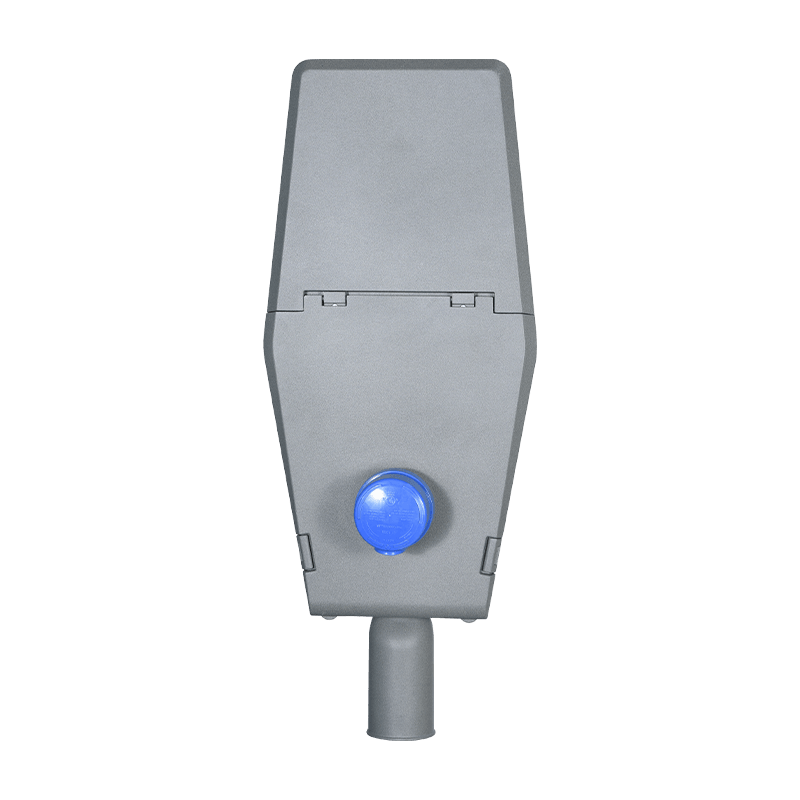 Poda PY-LED666-150W Outdoor Waterproof Street Light for Access RoadsA 150W street light designed for parking perimeters and access drives, featuring Type II or Type III distribution to provide even coverage without light trespass.View Product →
A Phased Plan for Retrofitting or New Construction
Whether relighting an existing site or starting from a vacant parcel, the following sequence keeps the project manageable.
- Perform a lighting audit. Photograph the site at night, measure footcandles, and check flicker and uniformity.
- Set targets and design. Document the footcandle goal for each zone, choose CCT and CRI, then ask for a photometric layout.
- Budget for fixtures and controls. Include occupancy sensors, photocells, and scheduling for marketing events.
- Install in phases. Upgrade the frontline display and showroom first, then service, parking, and the facade.
- Verify after installation. Measure again, compare with targets, and keep records for warranty and rebates.
This sequence avoids the common failure of buying bright fixtures that do not aim where the light is needed.
Car dealership building lighting is not a purely technical exercise. It determines how the inventory looks at night, how safe customers feel on the lot, how long the fixtures survive, and how large the electric bill will be. The dealerships that treat lighting as an investment, with zone-specific targets, quality color rendering, and LED technology, see the effect every evening from the street. The ones that leave aging fixtures in place lose sales without ever identifying the cause. If the front row of your lot does not make you stop and look twice at 9 PM, the lighting has already made its verdict.

Nuestros productos
Manténgase en contacto
export@polaryang.cn
+86-574-65167530
Ciudad de Xue'ao Qiangjiao, condado de Ninghai, Ningbo, Zhejiang, China
Contáctenos
Derechos de autor ©Ninghai Poda Electrical Appliance Co., Ltd.Todos los derechos reservados.
