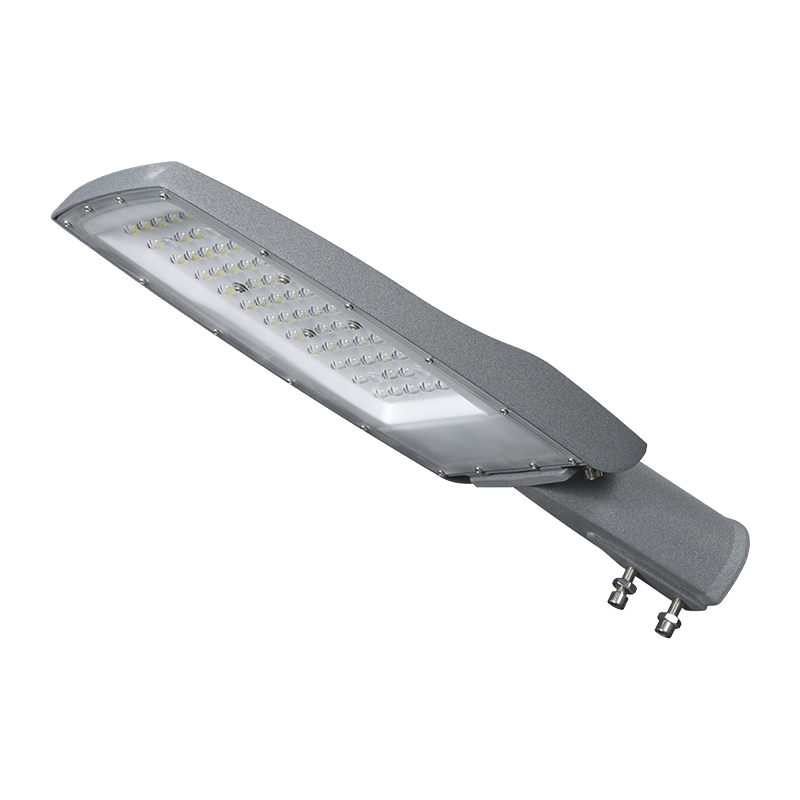
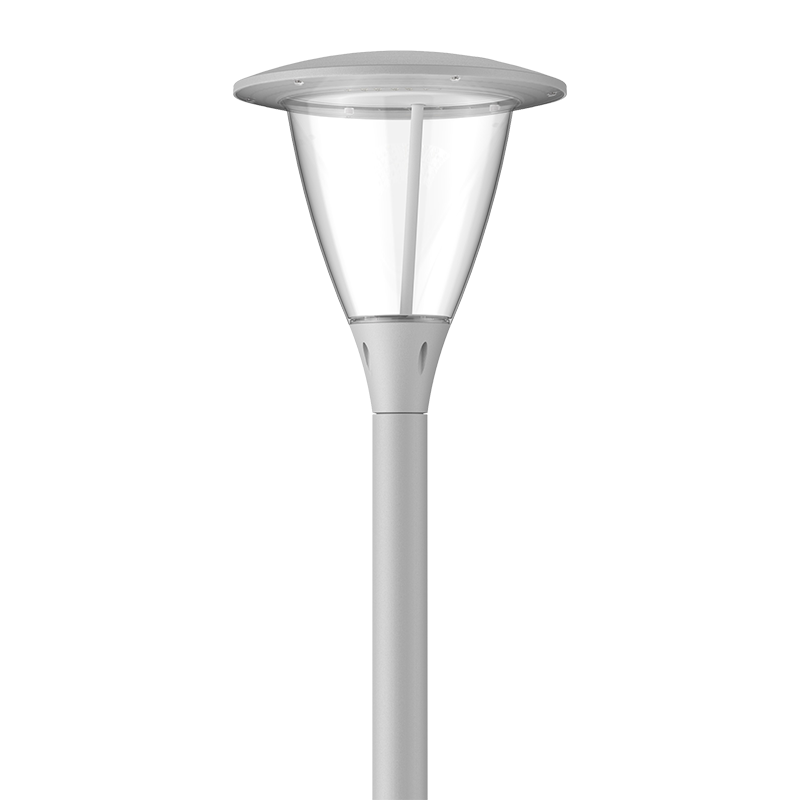
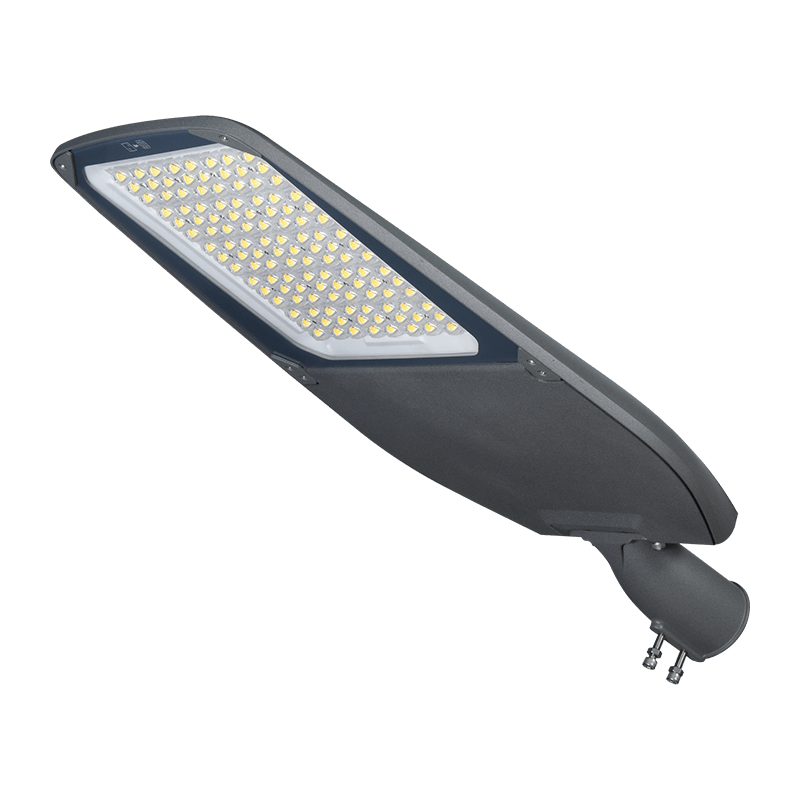
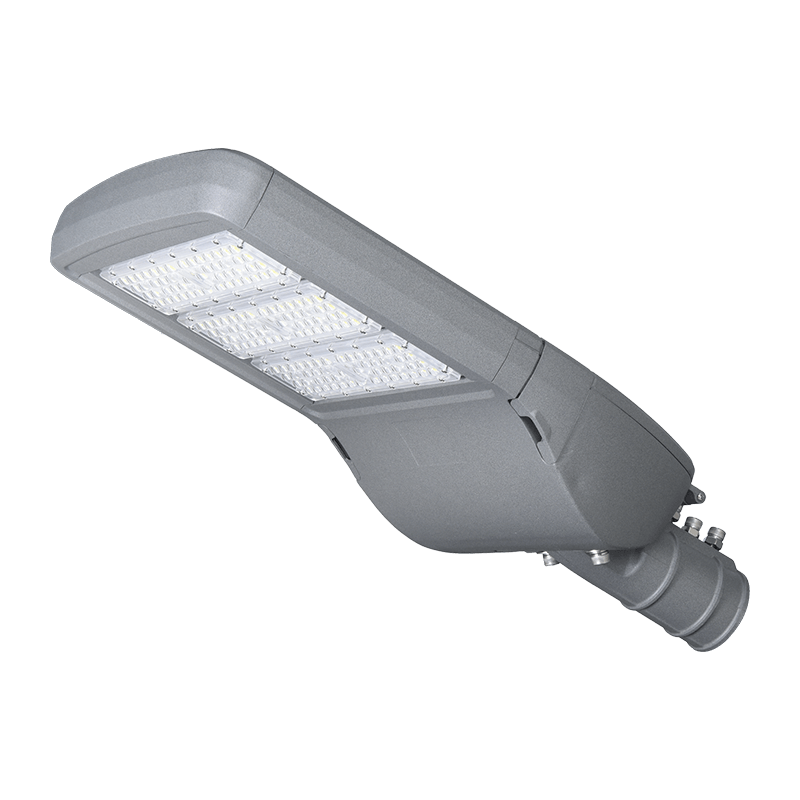
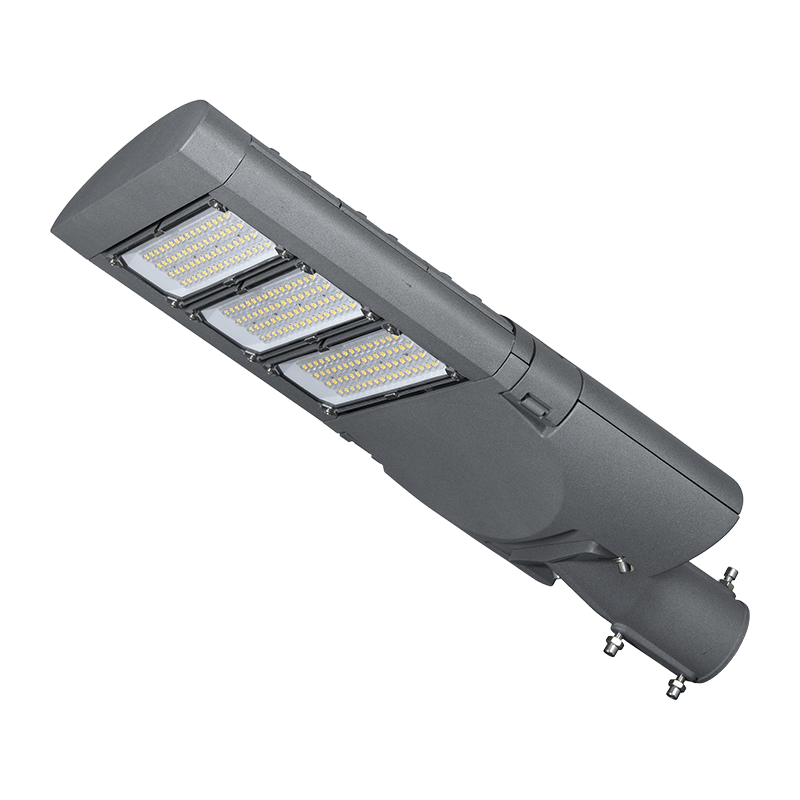
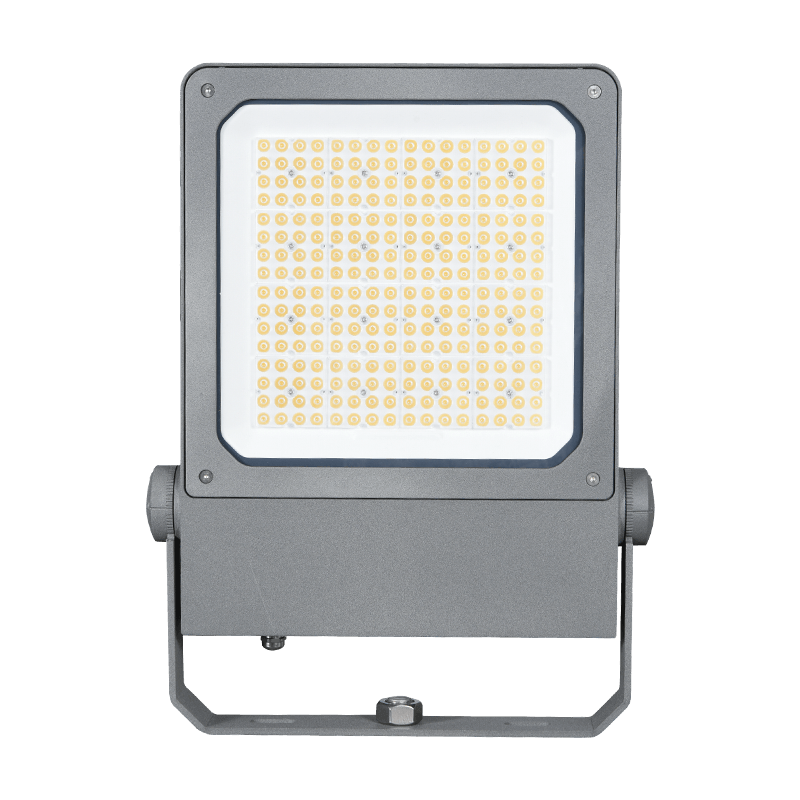
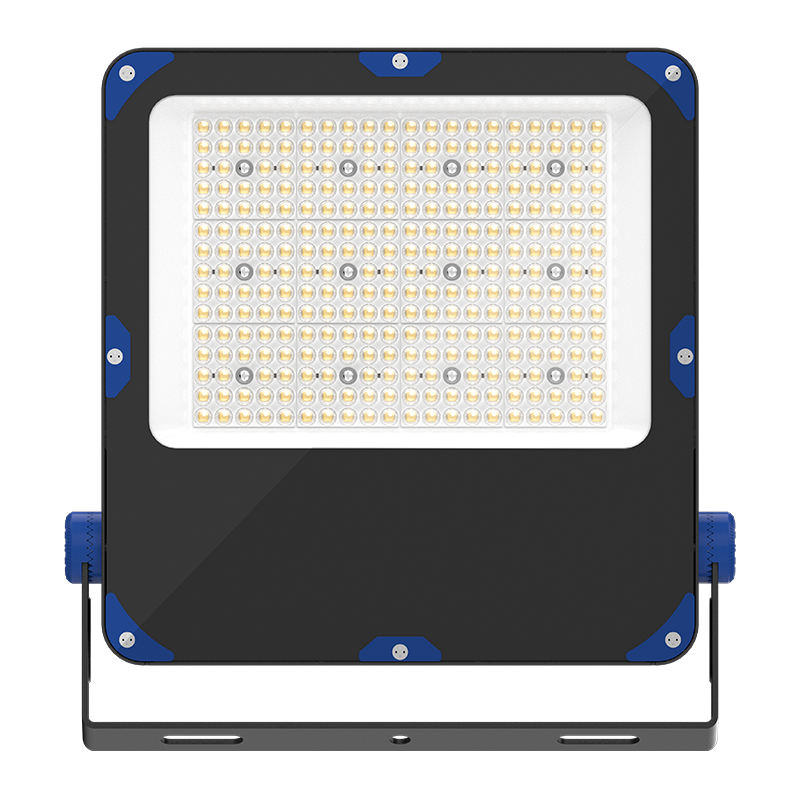
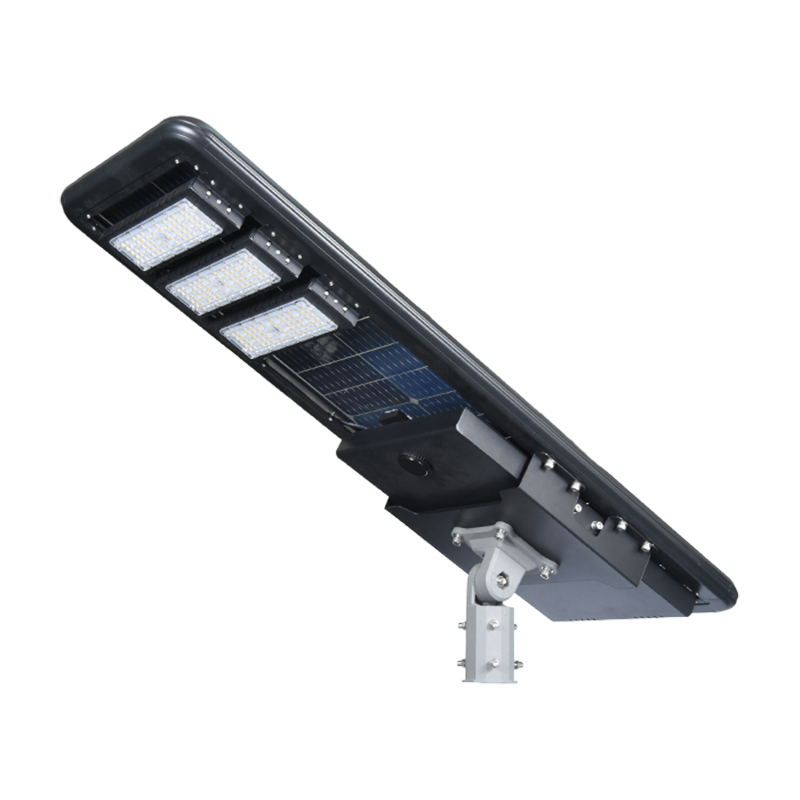
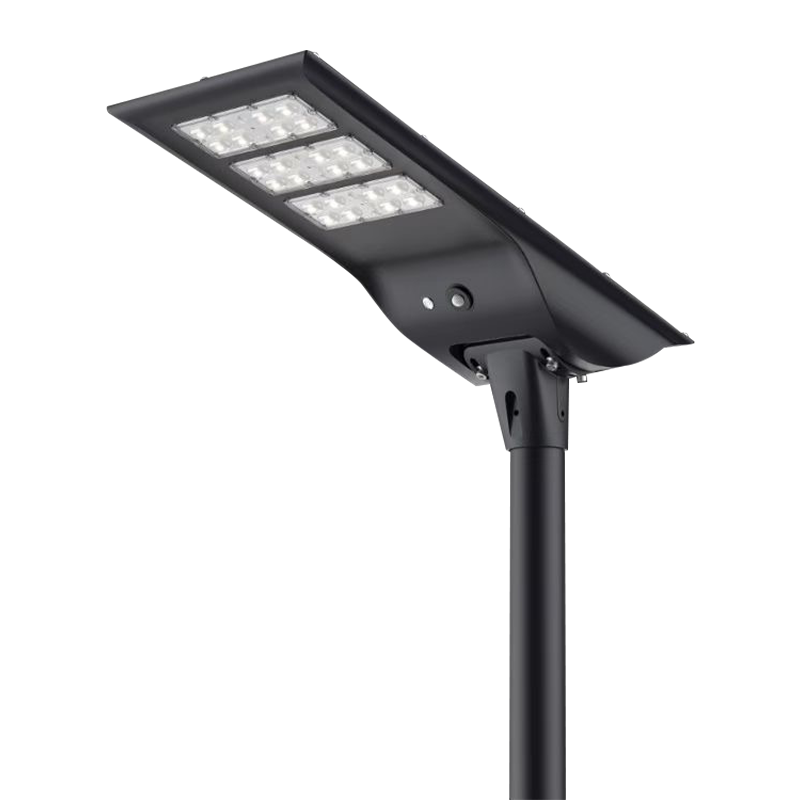
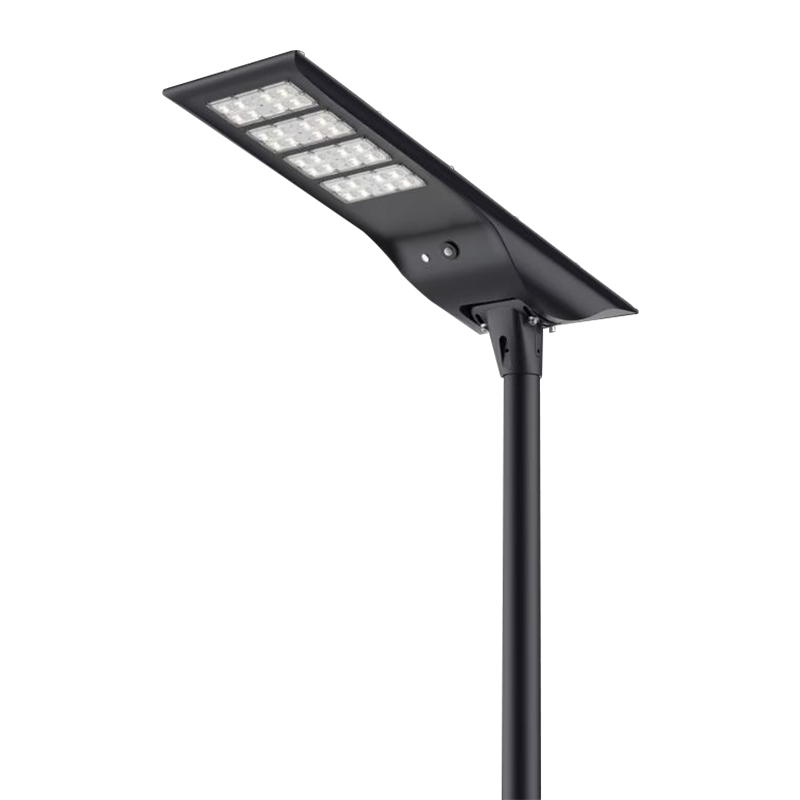
La clave para elegir Farola impermeable al aire libre radica en "primero, verifique el grado de protección; segundo, verifique el material; tercero, verifique la fuente de luz": primero, asegúrese de que el grado de protección alcance IP65 o superior para resistir fuertes lluvias; en segundo lugar, priorizar las carcasas de aluminio fundido a presión sobre las de plástico para garantizar la disipación del calor y la resistencia a la corrosión; Finalmente, preste atención a la eficacia luminosa del chip LED y a la estabilidad de la fuente de alimentación del controlador. Solo las luces que cumplen simultáneamente altos estándares de impermeabilidad, fuertes estructuras de disipación de calor y componentes centrales de alta calidad pueden lograr una durabilidad duradera y una iluminación de alto brillo en ambientes exteriores hostiles.
I. Verifique el grado de protección: IP65 es el umbral básico
al buscar Farola impermeable al aire libre , frecuentemente verá "IP" seguido de dos dígitos. Este es el estándar internacional para medir la resistencia al polvo y al agua de los artefactos de iluminación.
- IP65: Evita la intrusión de chorros de agua, suficiente para hacer frente a lluvias intensas normales.
- IP66 y superior: Adecuado para zonas costeras propensas a tifones o entornos propensos a la acumulación de agua. Al comprar, asegúrese de verificar si el producto tiene un informe de prueba de impermeabilidad emitido por una institución autorizada para garantizar que la lámpara no causará riesgos de seguridad debido a cortocircuitos en condiciones climáticas adversas.
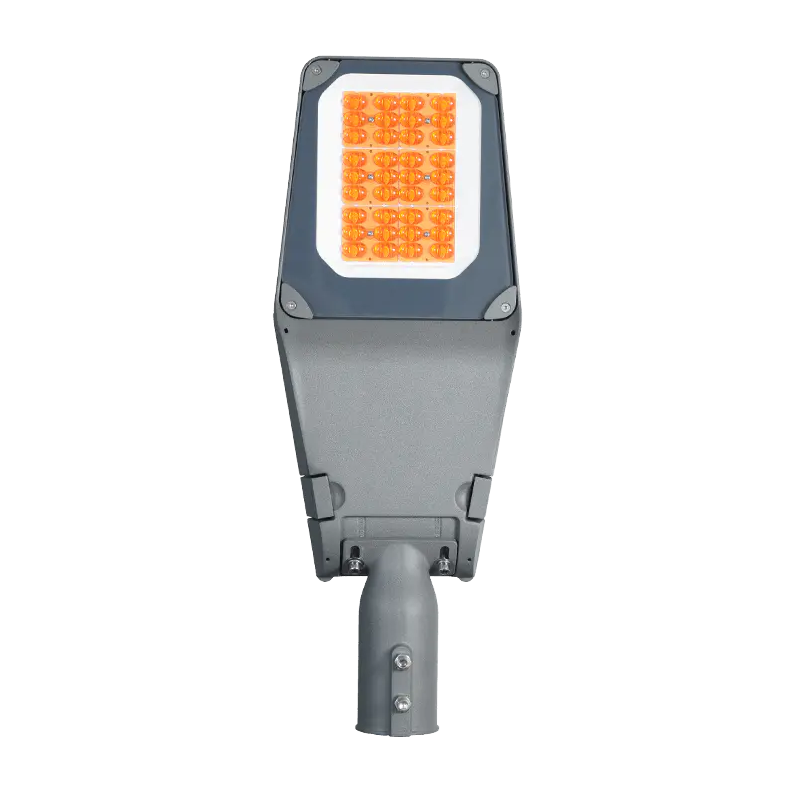
II. Fuente de luz central: brillo y disminución de la luz de los chips LED
Alta calidad Farola impermeable al aire libre Normalmente se utilizan chips LED de alto rendimiento. En comparación con las lámparas tradicionales de sodio de alta presión, las LED no sólo son más eficientes energéticamente sino que también tienen una velocidad de arranque más rápida.
- Alta eficacia luminosa: para la misma potencia, los LED de alta calidad proporcionan lúmenes (brillo) más altos.
- Diseño de disipación de calor: la exposición prolongada a la luz solar directa puede provocar una degradación grave de la luz debido a una mala disipación del calor (la luz se vuelve más tenue con el tiempo). Se recomienda elegir lámparas con carcasa integrada de aluminio fundido a presión, ya que su rendimiento de disipación de calor es muy superior al de los materiales plásticos.
III. Controlador de fuente de alimentación: el "corazón" de la farola
muchos Farola impermeable al aire libre falla no porque los chips LED estén defectuosos, sino porque la fuente de alimentación del controlador (transformador) está quemada.
Para las farolas enchufables, se recomienda elegir un controlador con protección contra sobretensiones y protección contra rayos.
Para las farolas solares, la capacidad de la batería de fosfato de hierro y litio y la eficiencia de conversión del panel solar de silicio monocristalino son consideraciones cruciales, ya que determinan directamente si la luz puede funcionar normalmente durante días consecutivos nublados o lluviosos.
IV. Material y resistencia a la corrosión
Para las luminarias expuestas a los elementos durante períodos prolongados, el material es crucial. Las farolas exteriores de alta calidad suelen utilizar una combinación de aluminio fundido a presión y vidrio templado, con un recubrimiento en polvo electrostático que previene eficazmente la corrosión por lluvia ácida y la oxidación y el óxido inducidos por los rayos UV, extendiendo su vida útil de 5 a 10 años o más.
Consejos de compra (lista de verificación)
- Determine el entorno de instalación: ¿montaje en pared, montaje en poste o montaje en el suelo?
- Elija la temperatura de color: se recomienda luz blanca cálida de 3000 K para patios (acogedora), mientras que para alumbrado público se recomienda luz blanca fría de 6000 K (transparente).
- Considere las funciones inteligentes: ¿necesita detección de radar (brillo máximo cuando hay personas presentes, brillo tenue cuando se van) o control sensible a la luz (activación automática al anochecer)?
Elegir un impermeable de alta calidad Farola impermeable al aire libre no se trata solo de iluminar su camino a casa, sino también de seguridad y tranquilidad a largo plazo.

 English
 Español